Yes. Kusatsu Onsen's three public day-use baths, Otakinoyu, Gozanoyu and Sainokawara Rotenburo, do not turn away guests with tattoos, and all three say so in writing in their official FAQ. This guide covers what the policy says, prices and opening hours for each bath, the money-saving three-bath pass, and what to know about ryokan, all checked against the official websites in October 2026.
Key points
- Otakinoyu, Gozanoyu and Sainokawara Rotenburo officially do not refuse entry or bathing to people with tattoos
- The official policy states no conditions, such as covering up, size limits or telling the front desk
- Adult admission is 1,200 yen (Otakinoyu), 900 yen (Gozanoyu) and 800 yen (Sainokawara Rotenburo)
- The Choina three-bath pass costs 2,100 yen for adults, covers one visit to each bath and never expires
- Ryokan and hotels set their own rules, so check before you book
Each bath's tattoo policy and its official source are also listed on Tattoo Japan: Otakinoyu, Gozanoyu and Sainokawara Rotenburo. To look beyond Kusatsu, browse onsen and saunas in Gunma.
Is Kusatsu Onsen Tattoo-Friendly?
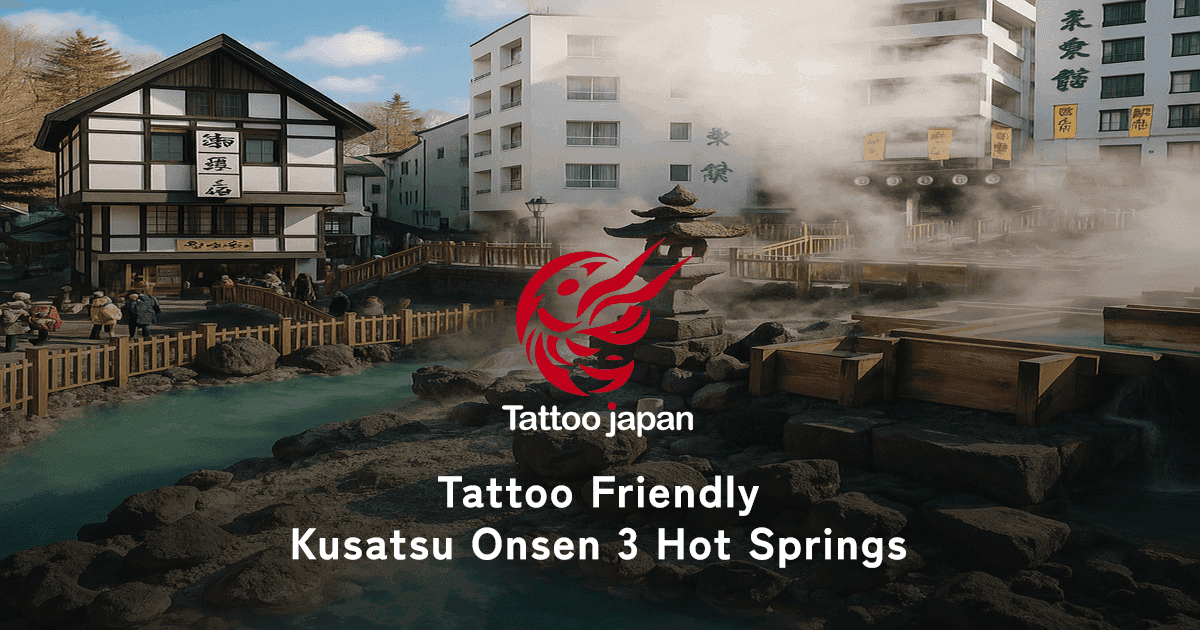
Kusatsu is a hot spring town in Gunma Prefecture, about 1,200 meters up in the mountains. Its three best-known public baths, known in Japanese as Kusatsu's "three baths" (草津三湯), are run by Kusatsu Tourism Public Corporation. (Sources: Otakinoyu official site; site operator, in Japanese)
What the Official Policy Says
The Japanese FAQ page of each bath answers the question of whether people with tattoos can use the facility with the same text:
三湯(大滝乃湯、御座之湯、西の河原露天風呂)では、刺青(タトゥー)のある方の入館、入浴を特にお断りはしておりません。訪日外国人旅行者も含めまして、多種多様な文化的背景を受け入れると共に、どなたでもマナー遵守の上で草津温泉を楽しんでいただきたいと思っております。
In English (our translation): at the three baths, people with tattoos are not refused entry or bathing. The baths want to welcome people from many cultural backgrounds, including visitors from overseas, and want anyone to enjoy Kusatsu Onsen as long as they follow bathing etiquette. (Source: Otakinoyu FAQ; the same answer appears in the Gozanoyu and Sainokawara Rotenburo FAQs. All in Japanese, checked October 23, 2026.)
The baths' English pages put it this way for overseas visitors: "for guests from overseas, rest assured that the vast majority of Kusatsu Onsen inns and bath facilities are welcoming to those with non-gang-related body art. Travelers with tattoos can enjoy the healing hot waters here without any worries". (Source: Otakinoyu, English page)
What It Doesn't Say
- The policy applies to both entering the building and using the baths
- It doesn't mention tattoo size, placement or style (Japanese traditional or Western)
- It doesn't ask you to cover your tattoos or to tell staff about them
- The only condition is following bathing etiquette (see below)
Policies can change, so check the official site or call the bath before you go. Phone numbers are listed with each bath below.
This policy covers the three baths only. Ryokan, hotels and other bathhouses in Kusatsu decide for themselves. See the ryokan section further down.
The Three Baths at a Glance
| Item | Otakinoyu | Gozanoyu | Sainokawara |
|---|---|---|---|
| Adults | 1,200 yen | 900 yen | 800 yen |
| Children | 600 yen | 450 yen | 400 yen |
| Hours | 9:00–21:00 | 7:00–21:00 (winter 8:00–) | 7:00–20:00 (winter 9:00–) |
| Last entry | 20:00 | 20:30 | 19:30 |
| Baths | Indoor, outdoor, awase-yu | Indoor only | Outdoor only |
| Showers | Yes | Yes | None |
| Towels | Rental (250 yen) | For sale only | For sale only |
| From Yubatake | 7–8 min walk | On Yubatake | About 12 min walk |
Winter hours run from December 1 to March 31. Children's prices are for ages 3 to 12 (elementary school). All three baths take credit cards, e-money (including transit IC cards) and QR payments such as PayPay, except at Otakinoyu's restaurant. None of the official pages lists a regular closing day; schedule changes are posted under News on the official site. (Sources: the guide and FAQ pages for Otakinoyu, Gozanoyu and Sainokawara Rotenburo, in Japanese, checked October 23, 2026)
Otakinoyu: Awase-yu Baths of Rising Heat
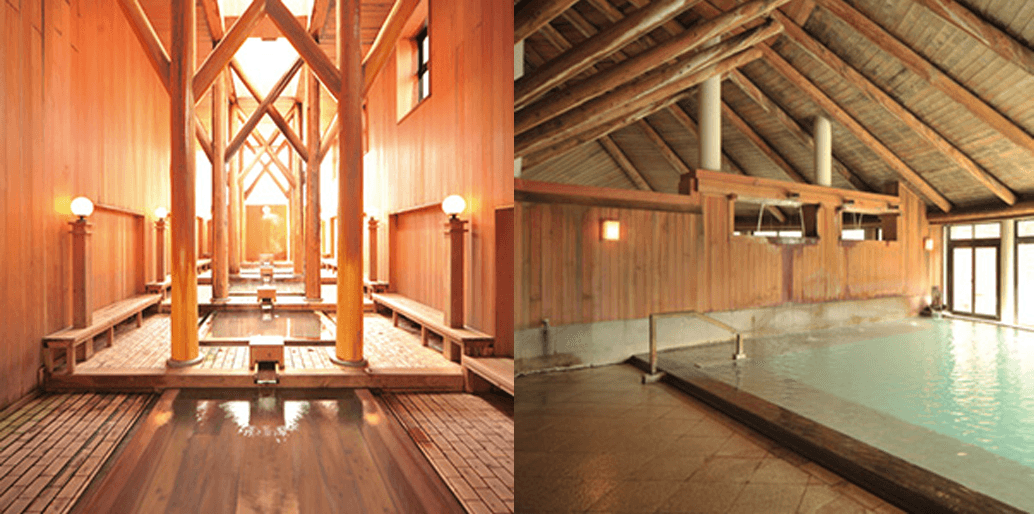
Otakinoyu draws its water from the Nikawa spring, known locally as the "hot spring of beauty." It has a large indoor bath, an outdoor bath with a hot-water waterfall, a sauna, a cold plunge and its signature awase-yu. (Source: Otakinoyu baths page, in Japanese)
Awase-yu is an old Kusatsu bathing style: a row of small pools fed by the same spring, cooled naturally rather than with added water, so each one is a little hotter than the last. You start in the coolest and work your way up. The official English page gives the range as 38 to 46°C, and the men's side has five pools. (Sources: Otakinoyu, English page; baths page)
On the second and fourth Saturday of each month, the pipes are cleaned before opening and the normally clear water turns milky white for a while. The official site recommends coming in the morning on those days. (Source: "Cloudy water day" page, in Japanese)
If you'd rather bathe privately, or with a partner or family, the private bath "Shakunage" costs 2,000 yen per hour on top of admission (9:00–19:00, last booking 18:00). There is also a restaurant, a lounge café and a free tatami rest room. (Source: Otakinoyu guide)
- Hours
- 9:00–21:00 (last entry 20:00)
- Admission
- Adults 1,200 yen, children 600 yen
- Towels
- Towel and bath towel rental, 250 yen
- Parking
- Free, 100 spaces
- Address
- 596-13 Kusatsu, Kusatsu-machi, Agatsuma-gun, Gunma
- Phone
- 0279-88-2600
Gozanoyu: A Historic Bathhouse on the Yubatake
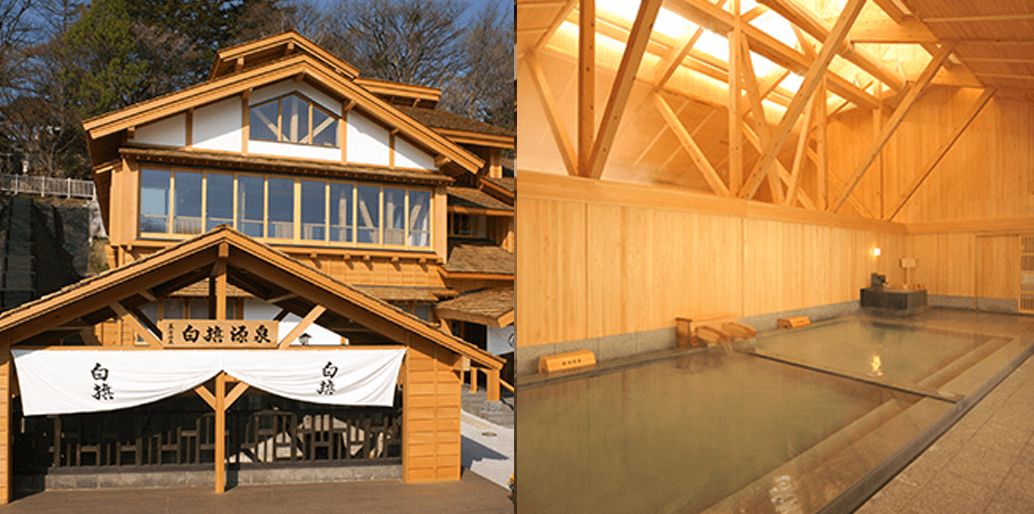
Gozanoyu stands right by the Yubatake, the steaming "hot water field" at the center of town. It recreates one of five public bathhouses that stood around the Yubatake from the Edo to the Meiji period, with a cedar-shingle roof and plaster walls. The official English page says the building was re-created in April 2013. (Sources: About Gozanoyu, in Japanese; Gozanoyu, English page)
There are two bathrooms, Ki-no-yu (wood) and Ishi-no-yu (stone), which switch between men and women every day. Each has water from two springs, Yubatake and Bandai. It is indoor baths only, with no outdoor bath or sauna. (Sources: Gozanoyu baths page; FAQ, in Japanese)
After your bath you can rest in the 45-mat hall overlooking the Yubatake, free for bathers. Gozanoyu also rents yukata (light cotton kimono) for walking around town: 2,500 yen for three hours including admission, available all year (reception 9:00–17:00), with free help putting it on. (Sources: Gozanoyu facilities; English page)
- Hours
- April 1 to November 30: 7:00–21:00. December 1 to March 31: 8:00–21:00. Last entry 20:30 all year
- Admission
- Adults 900 yen, children 450 yen
- Towels
- No rental; face towels sold for 380 yen
- Parking
- None of its own; use the paid Yubatake parking lot (5 min walk) or another nearby lot
- Address
- 421 Kusatsu, Kusatsu-machi, Agatsuma-gun, Gunma
- Phone
- 0279-88-9000
Sainokawara Rotenburo: A Huge Open-Air Bath
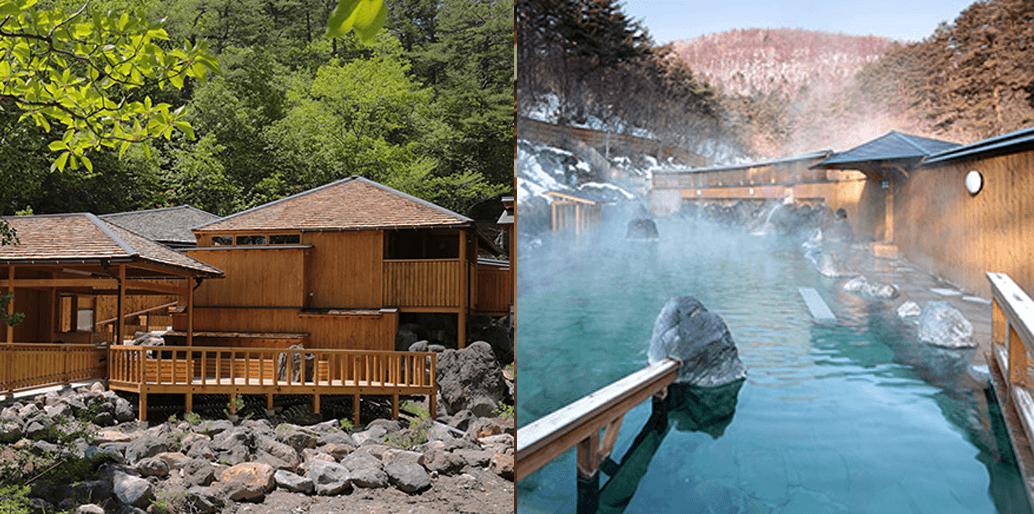
Sainokawara Rotenburo (Sainokawara Open-Air Bath) is about a 12-minute walk from the Yubatake, surrounded by forest. Together the men's (333.5 m²) and women's (166.0 m²) baths cover about 500 m², one of the largest open-air baths in Japan by the operator's own description. The water comes from the Bandai spring (pH 1.7), which emerges at about 94–95°C. (Source: Sainokawara baths page, in Japanese)
There are no showers or washing area and no hair dryers, and towels are not rented, so bring your own or buy one at the desk. (Source: Sainokawara FAQ, in Japanese)
Every Friday from 17:30 to 20:00 (last entry 19:30), except on certain dates, the men's bath becomes a mixed bath. Women can rent a bathing wrap (yuami-gi) for 400 yen or bring a swimsuit; men borrow a bathing wrap for free and must wear it. There are no children's wraps, so children need a swimsuit. (Source: "Mixed bathing day" page, in Japanese)
On second Wednesdays through March 2027 (November 11 and December 9, 2026; January 13, February 10 and March 10, 2027), the bath closes early at 17:00 (last entry 16:30) for cleaning. (Source: official news, July 26, 2026, in Japanese)
- Hours
- April 1 to November 30: 7:00–20:00. December 1 to March 31: 9:00–20:00. Last entry 19:30 all year
- Admission
- Adults 800 yen, children 400 yen
- Towels
- No rental; towels for sale
- Parking
- Tenguyama No. 1 parking lot, free, 300 spaces, about 6 min walk
- Address
- 521-3 Kusatsu, Kusatsu-machi, Agatsuma-gun, Gunma
- Phone
- 0279-88-6167
Save with the Three-Bath Pass
The Choina three-bath pass (ちょいな三湯めぐり手形) gets you into each of the three baths once. It has no expiry date, so you can use what's left on your next trip.
| Ticket | Adults | Children |
|---|---|---|
| Three-bath pass | 2,100 yen | 1,050 yen |
| Three separate tickets | 2,900 yen | 1,450 yen |
| You save | 800 yen | 400 yen |
- The children's pass is for ages 3 through elementary school
- Passes bought before the price change (on or before August 31, 2025) can still be used without paying the difference
- You can buy the pass at any of the three baths
- Visit all three and the last bath you visit gives you a "three-bath master" (三湯めぐり名人) completion certificate
- Add a stamp and an address and the pass doubles as a postcard, or give it as a gift
(Source: Choina three-bath pass page, in Japanese, checked October 23, 2026)
Onsen Etiquette and Kusatsu's Acidic Water
The three baths ask only one thing of tattooed guests, the same as everyone else: follow the etiquette.
Basic Onsen Etiquette
These are the usual basics at any Japanese onsen:
- Rinse your body before getting in, and wash with soap where there are showers (Otakinoyu and Gozanoyu)
- Keep your towel out of the water
- Keep your voice down and make room for others when it's busy
- Don't take photos in the baths or changing rooms
At all three baths you can't bring in your own food or drinks. If you leave Otakinoyu, you pay admission again to go back in, and Sainokawara Rotenburo doesn't allow re-entry. (Source: each bath's FAQ, in Japanese)
How to Bathe in Kusatsu's Water
Kusatsu's water is strongly acidic, around pH 2.05. The official site recommends the following:
- Take off silver jewelry first, because the water discolors it
- Pour hot water over your head and neck before you get in, then start with a half-body soak
- Keep your first soak to about 5 to 10 minutes
- Don't rinse off thoroughly afterward, so the minerals stay on your skin
- Don't bathe after drinking alcohol; wait at least two hours. After a meal, wait 30 minutes to an hour
- Bathe no more than three times a day
- Drink water and rest for 30 minutes to an hour after bathing
(Sources: "The correct way to bathe", in Japanese; Otakinoyu, English page)
Tattoo-Friendly Ryokan and Hotels in Kusatsu
The baths' English page says the "vast majority" of inns and bath facilities in Kusatsu welcome guests with tattoos, but that is not all of them. Japan's Tourism Agency puts it plainly in its ryokan Q&A: "Policies about tattoos differ widely from ryokan to ryokan." Some ryokan have no restrictions, and many offer private baths, in your room or for reserved use, that guests with tattoos can use. (Source: Japan Tourism Agency, Ryokan Q&A)
Tattoo Japan lists hotels and ryokan in Kusatsu with each one's tattoo policy and its source. Policies change, so confirm with the property before you book. For background on why tattoos are restricted at many Japanese baths, see the history of tattoo bans at Japanese facilities.
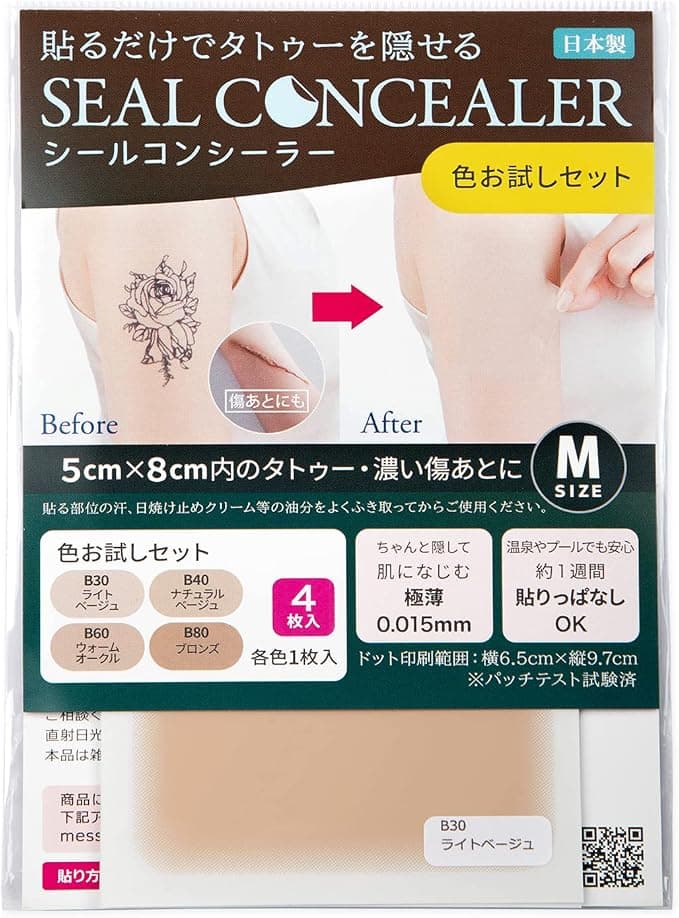
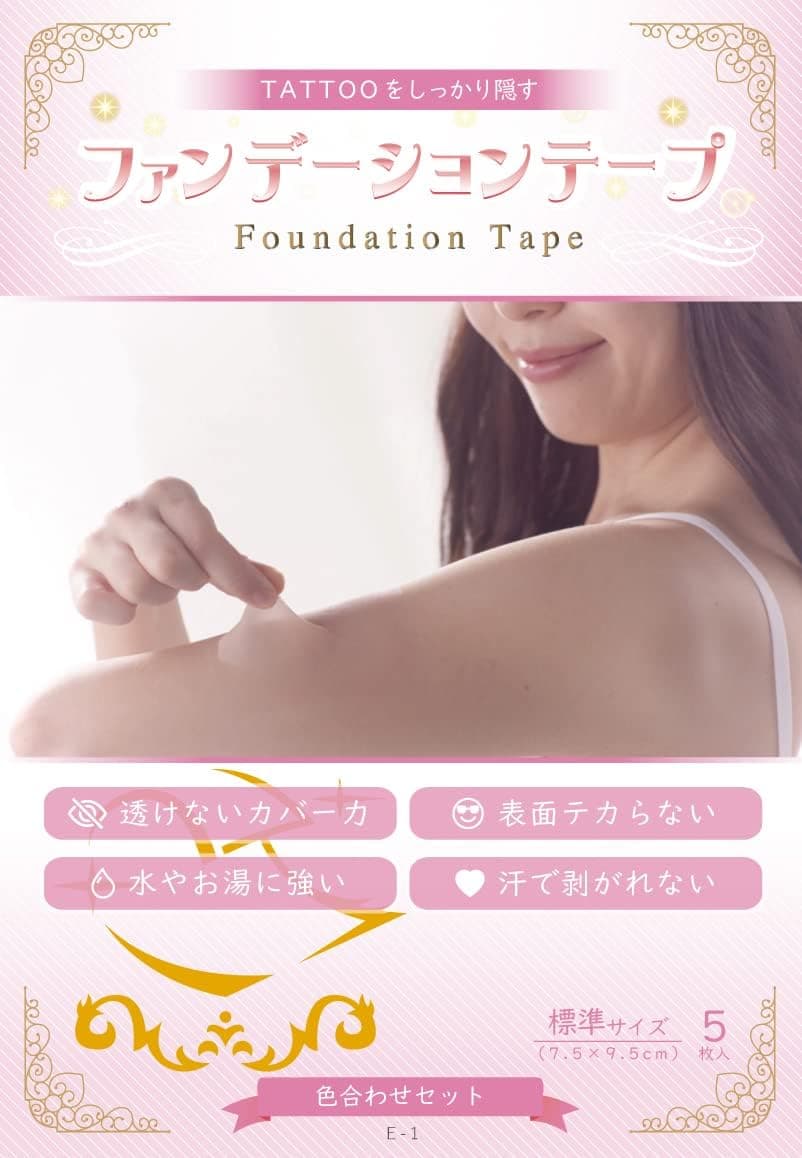
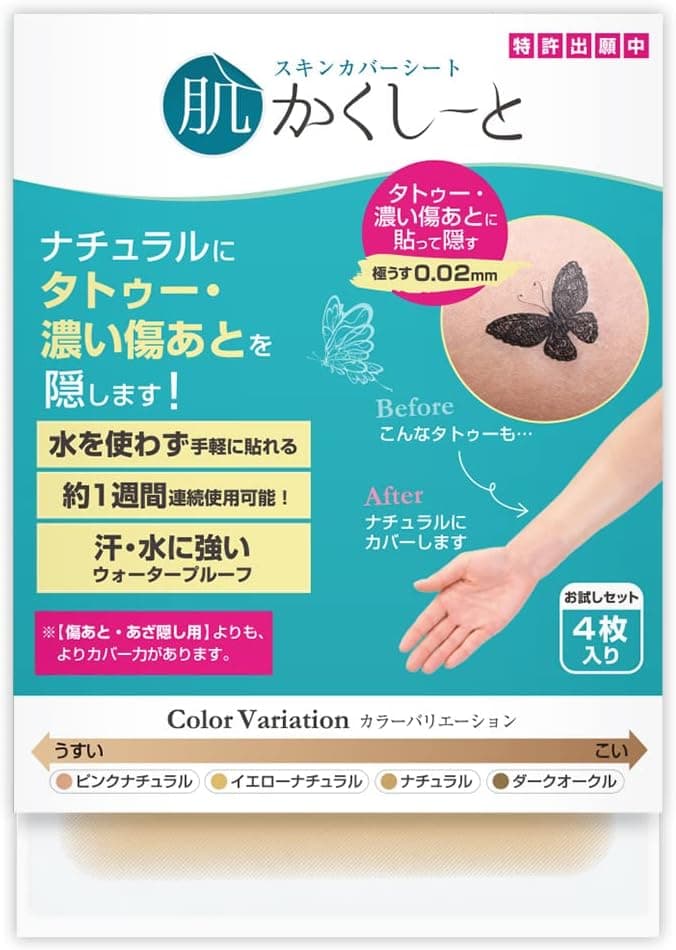
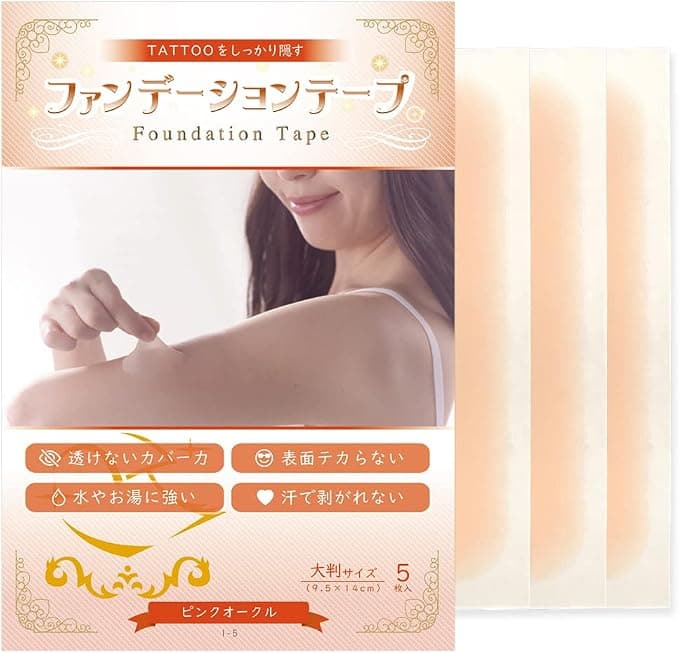
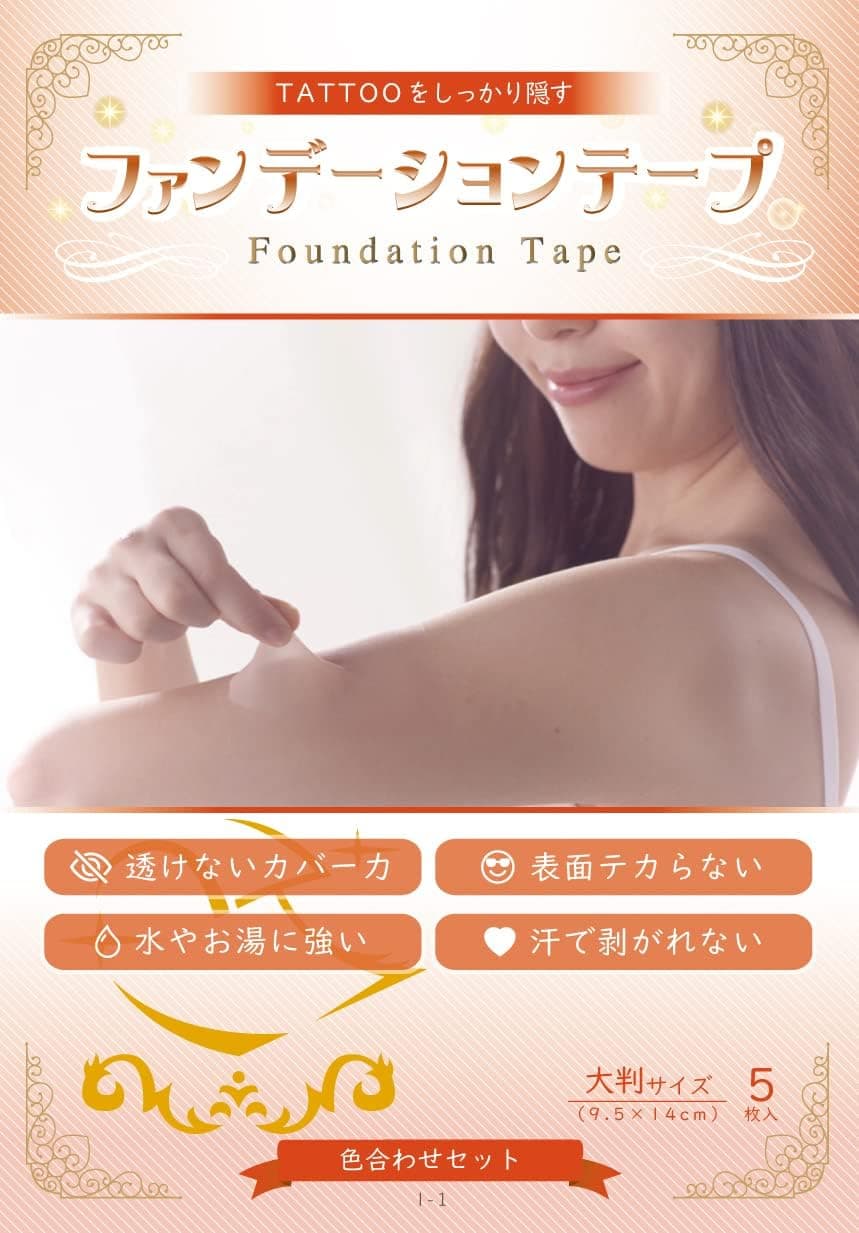
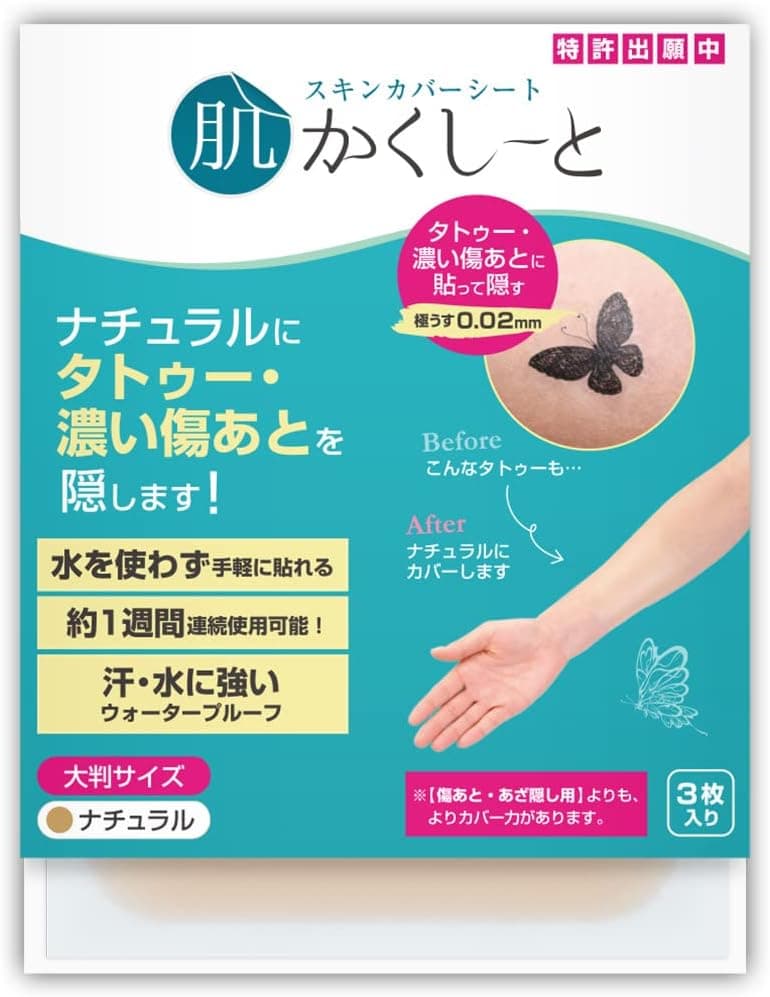
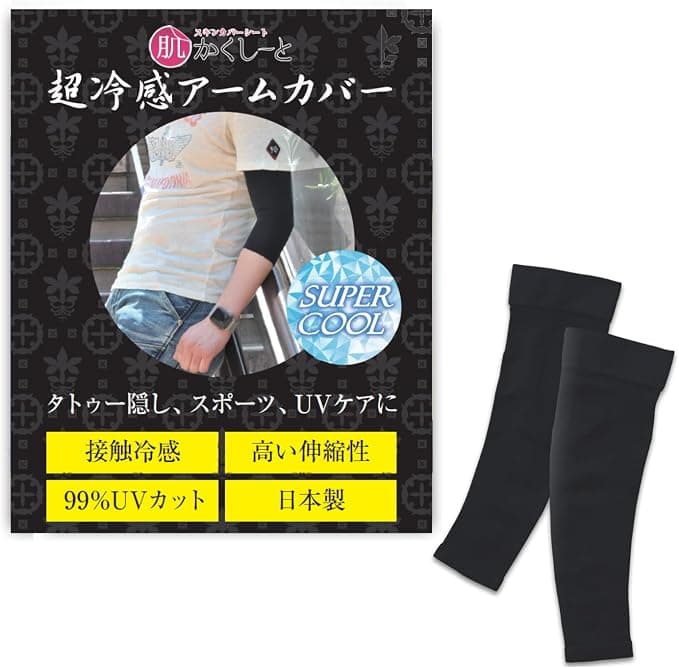
If a ryokan or another bath tells you tattoos are fine once covered, a skin-colored sticker or tape is the easiest fix. The links below go to Amazon Japan (amazon.co.jp).
* Some links include affiliate advertisements (PR).

CLASSE Tattoo Concealer Stickers
A four-color trial set of concealer stickers designed to cover tattoos.
View on Amazon
Foundation Tape — 5 Large Sheets
Five 9.5 × 14 cm cover sheets. The linked shade is Pink Ochre.
View on AmazonFrequently Asked Questions About Kusatsu Onsen and Tattoos
Is Kusatsu Onsen tattoo-friendly?
Yes, at its three public baths: Otakinoyu, Gozanoyu and Sainokawara Rotenburo officially do not refuse guests with tattoos. Other bathhouses, ryokan and hotels set their own rules, so check each one.
Do I need to cover my tattoos at the three baths?
Not according to the official policy, which doesn't ask you to cover them (as of October 23, 2026).
Are large or traditional Japanese tattoos allowed?
The policy refers to tattoos (irezumi) in general and doesn't distinguish by style, size or placement.
Can I visit all three baths in one day?
Yes. Gozanoyu is right on the Yubatake, Otakinoyu is a 7 to 8 minute walk away and Sainokawara Rotenburo about 12 minutes, and their opening hours overlap. Because the pass never expires, you can also spread the visits over more than one trip.
Can couples or families bathe together?
The regular baths are separated by gender. Otakinoyu's private bath can be booked by the hour, and Sainokawara Rotenburo holds mixed bathing on Friday evenings with bathing wraps or swimsuits.
How do I get to Kusatsu Onsen?
By train, go to JR Naganohara-Kusatsuguchi Station; the baths' FAQ gives about 25 minutes from there to Kusatsu by JR bus. The same FAQ also mentions a direct highway bus from Shinjuku in Tokyo. Check current timetables before you travel. (Source: Otakinoyu FAQ, in Japanese)
Summary: Kusatsu Onsen with Tattoos
All three of Kusatsu Onsen's public baths, Otakinoyu, Gozanoyu and Sainokawara Rotenburo, officially accept guests with tattoos, and the policy doesn't ask you to cover up. Try the awase-yu at Otakinoyu, the historic bathhouse at Gozanoyu and the vast open-air bath at Sainokawara, and save 800 yen with the three-bath pass, which never expires. If you are staying overnight, check your ryokan's own rules before you book.
*Based on the official websites as checked on October 23, 2026. Prices, hours and tattoo policies can change, so check the official site before you go.