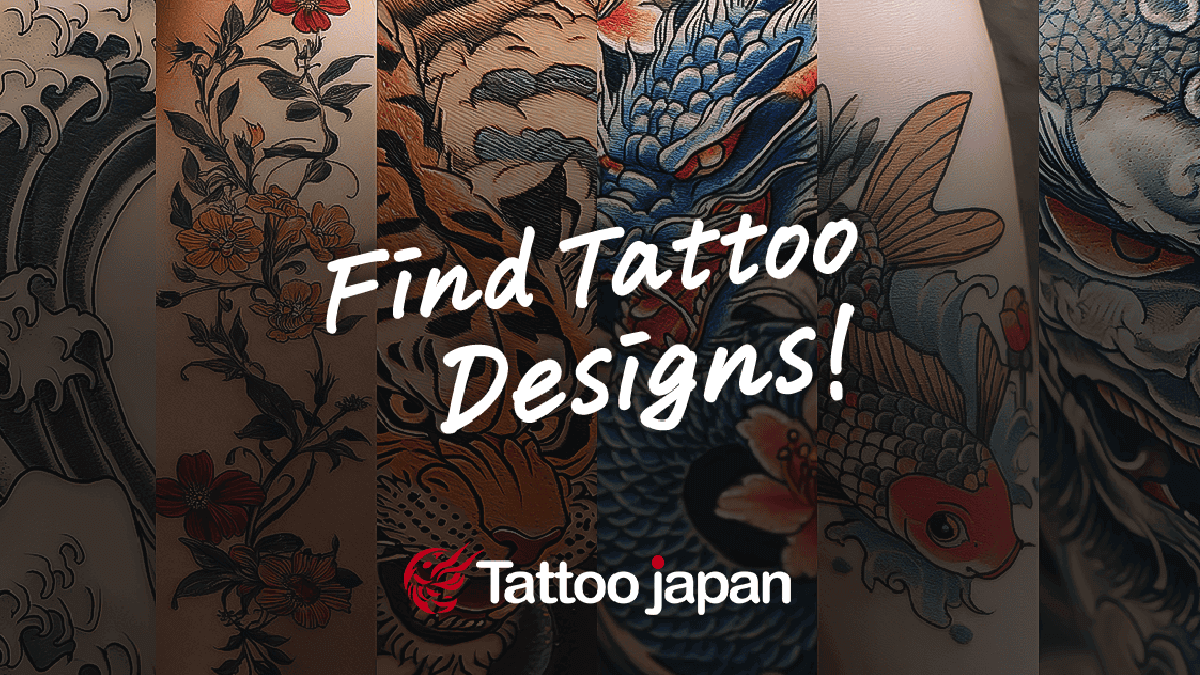
Japanese Traditional
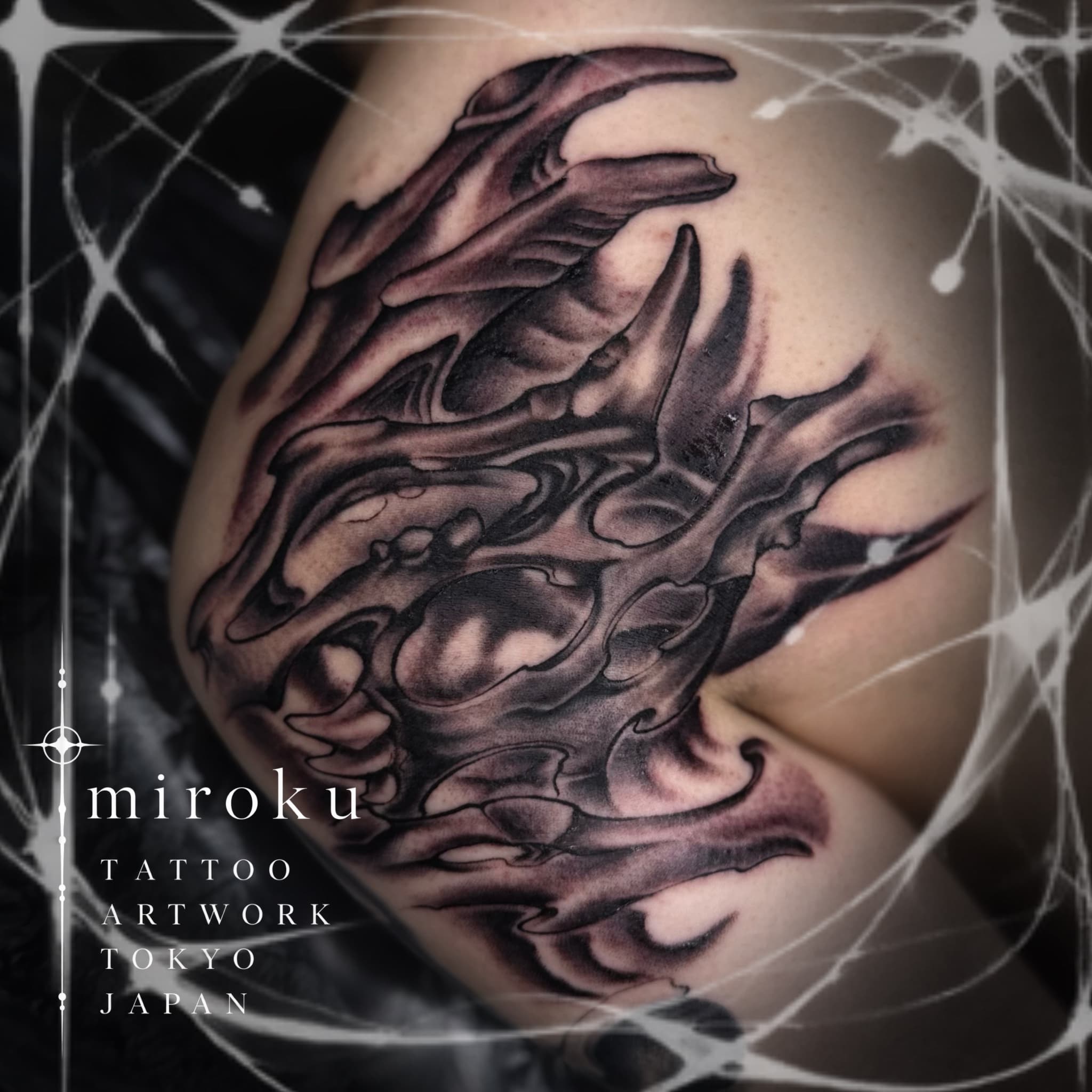
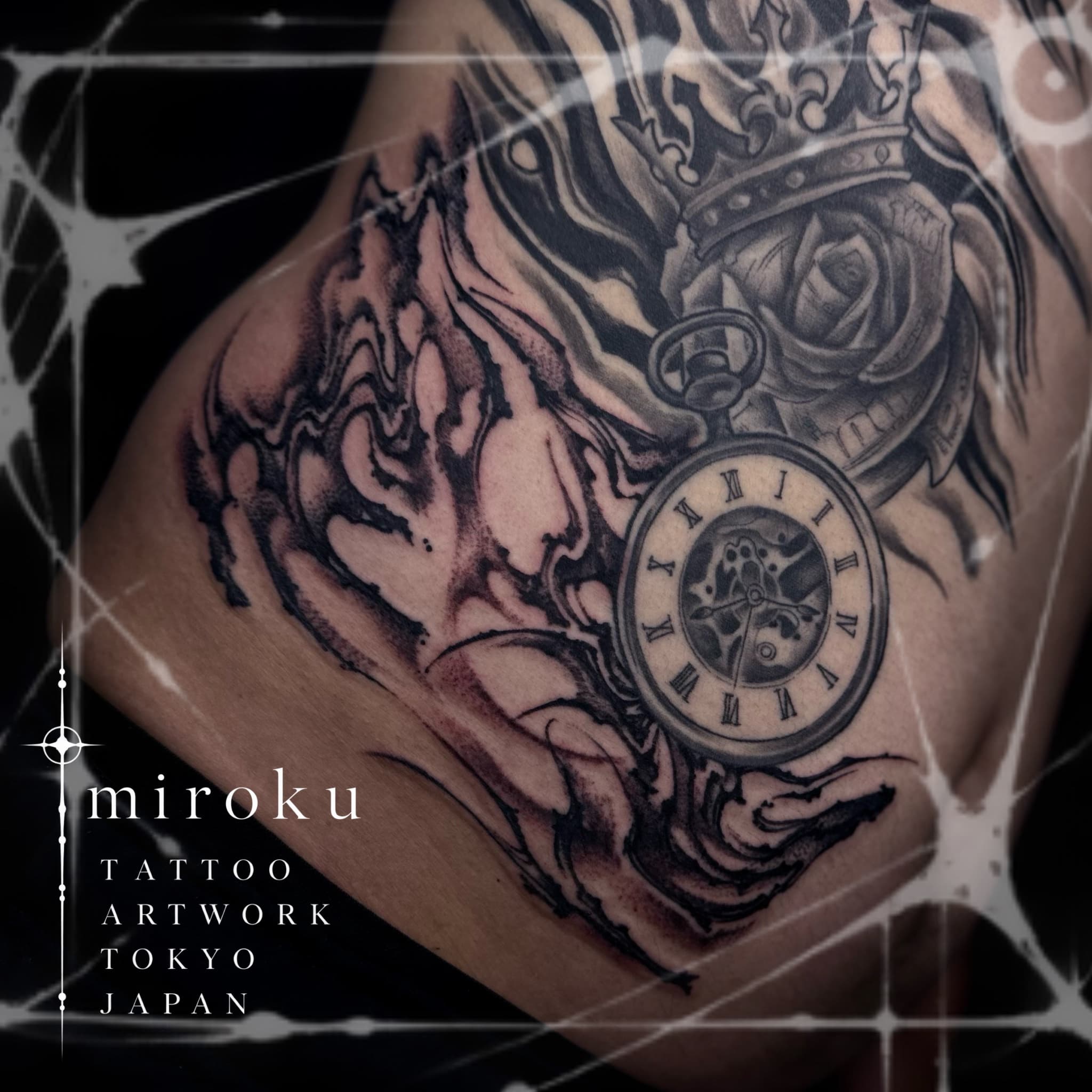
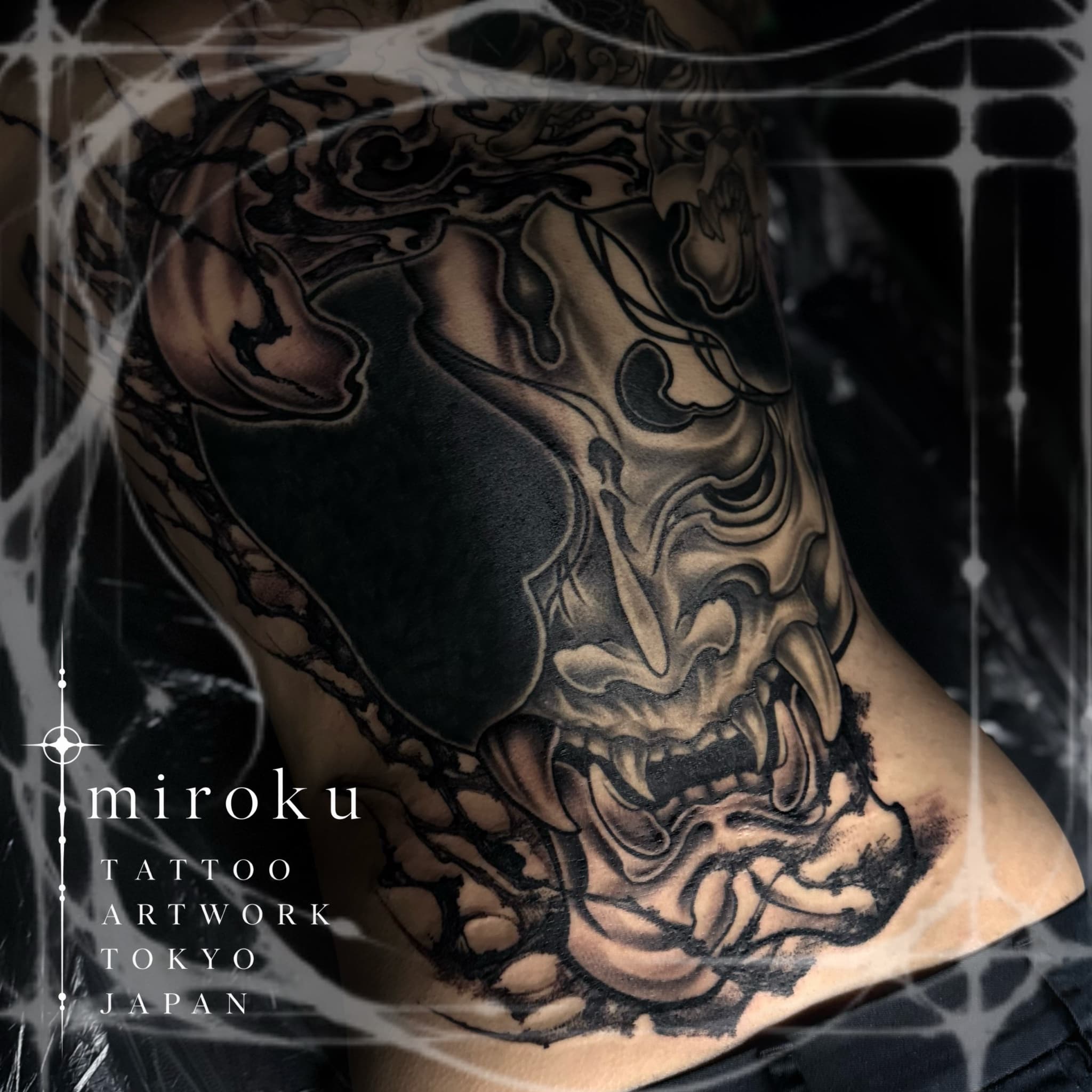
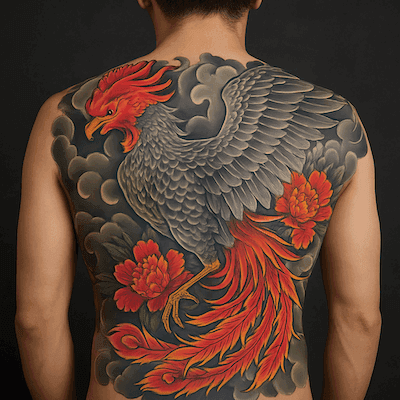
134 designsIrezumi: dragons, koi and hannya masks in bold compositions built for backs and sleeves.
Browse tattoo designs by type in one place. The gallery holds 959 photographs of real work, filtered by 19 styles such as Japanese traditional and black and grey, 48 body placements from arm to back, and 129 motifs including dragons, roses and butterflies. Every category page also covers what the motif means and how the design reads once it is on skin.
The designs bookmarked most often by people using the site — real photographs of the work that is resonating right now.


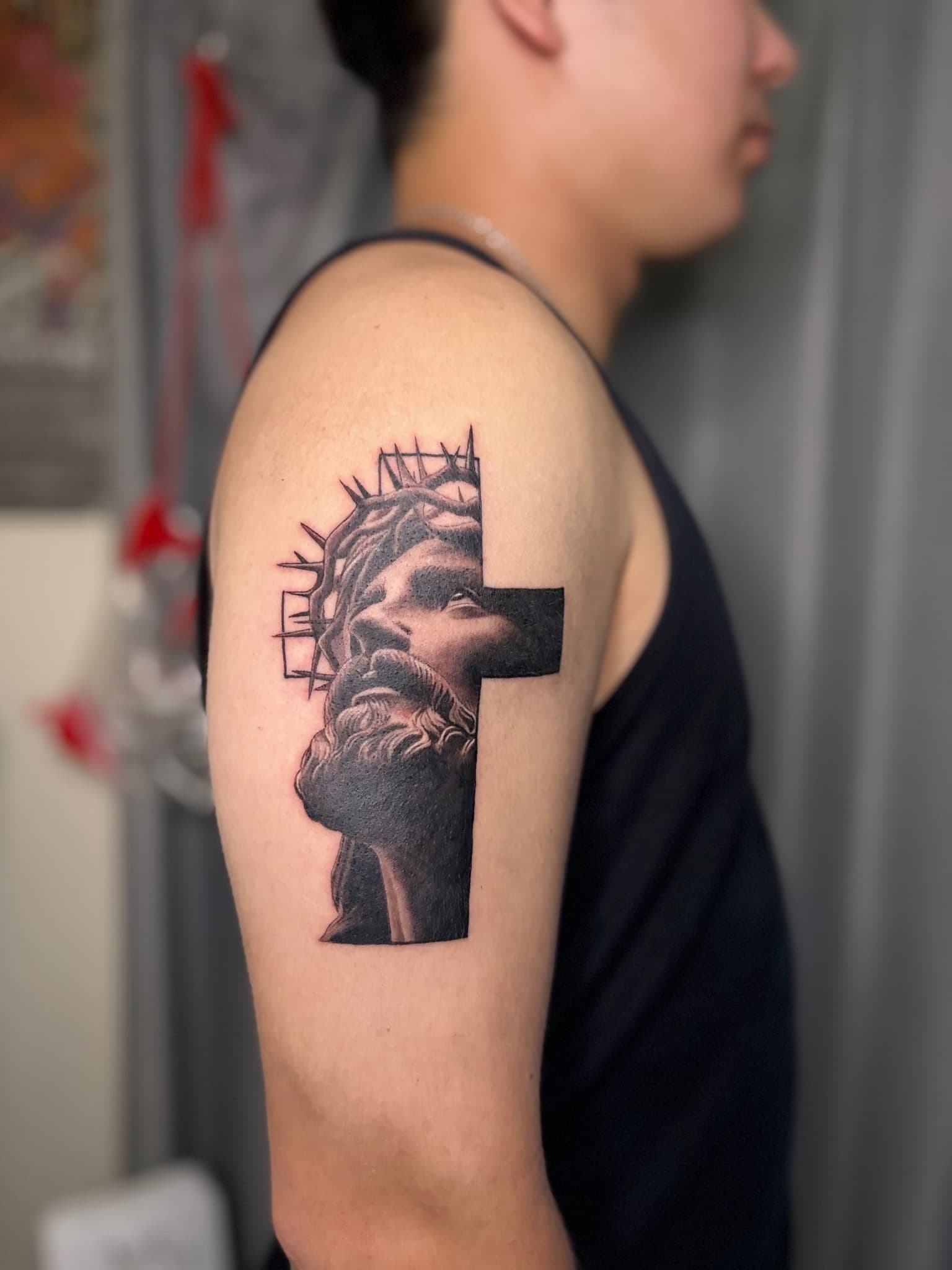
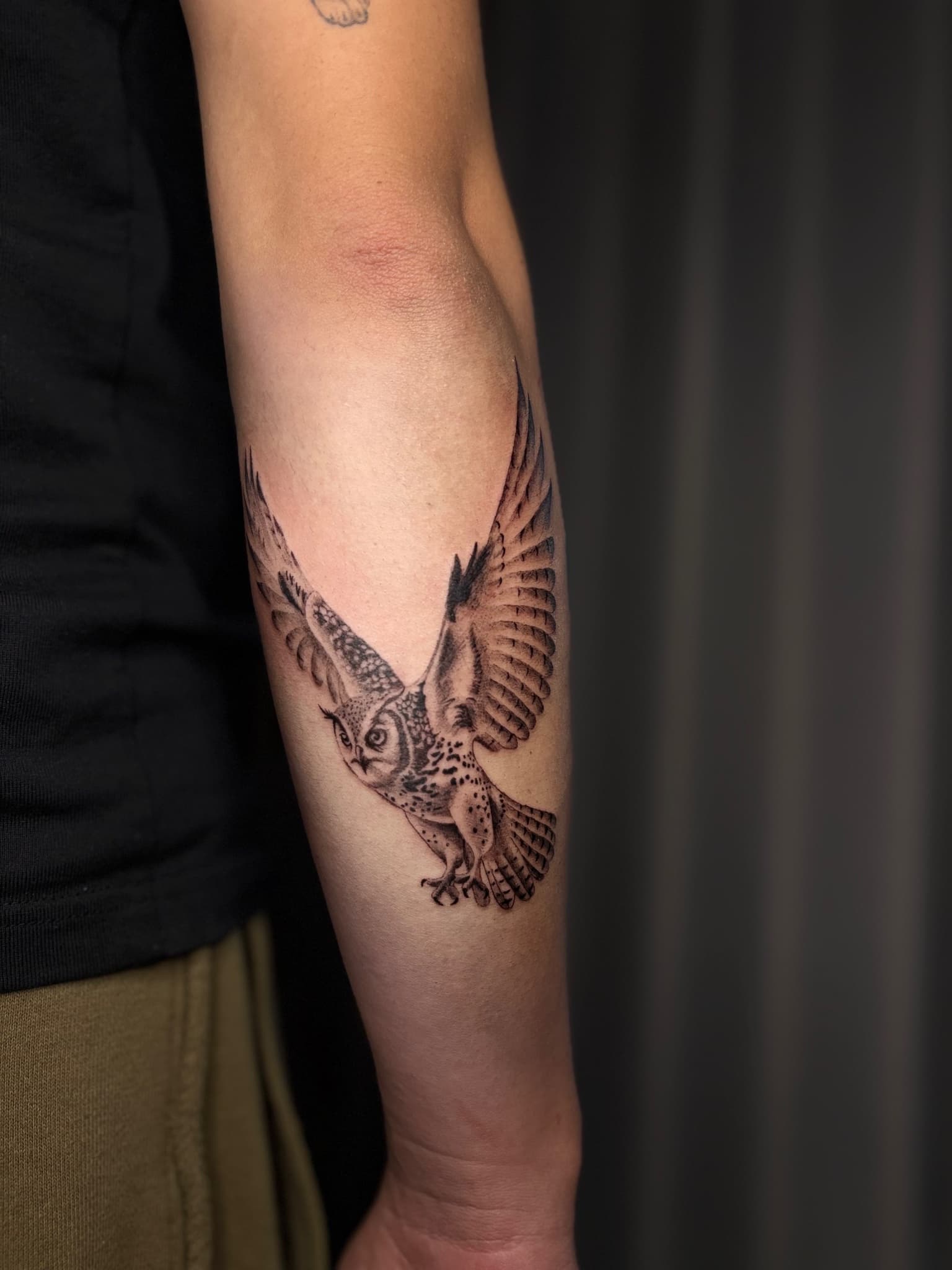
DMS tattoo 「彫伸」
DMS TATTOO
10 bookmarks

DMS tattoo 「彫伸」
DMS TATTOO
10 bookmarks

DMS tattoo 「彫伸」
DMS TATTOO
9 bookmarks

DMS tattoo 「彫伸」
DMS TATTOO
9 bookmarks

DMS tattoo 「彫伸」
DMS TATTOO
8 bookmarks

DMS tattoo 「彫伸」
DMS TATTOO
8 bookmarks

DMS tattoo 「彫伸」
DMS TATTOO
7 bookmarks

DMS tattoo 「彫伸」
DMS TATTOO
7 bookmarks


MAI_DMSTATTOO
DMS TATTOO
7 bookmarks

MAI_DMSTATTOO
DMS TATTOO
7 bookmarks
Style is how a design is drawn — line weight, shading and colour. The same dragon looks like a different tattoo in Japanese traditional, black and grey or fine line.
Irezumi: dragons, koi and hannya masks in bold compositions built for backs and sleeves.
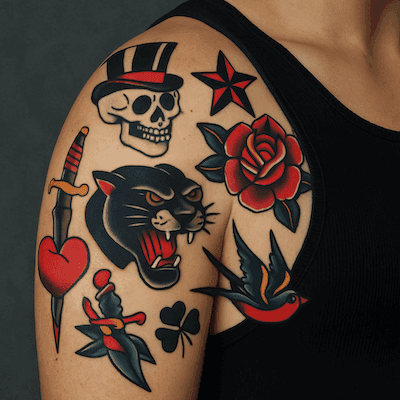
Heavy black outlines and flat primary colour. Swallows, roses and daggers are the classic subjects.
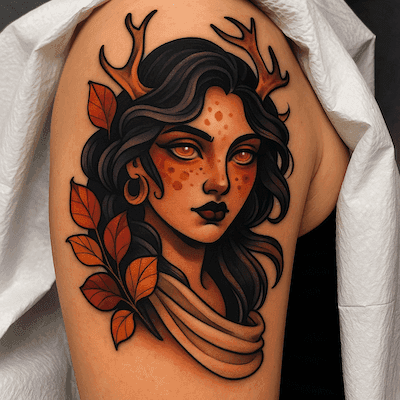
Traditional outlines pushed further with realistic shading and a wider palette. Strong on animals and florals.
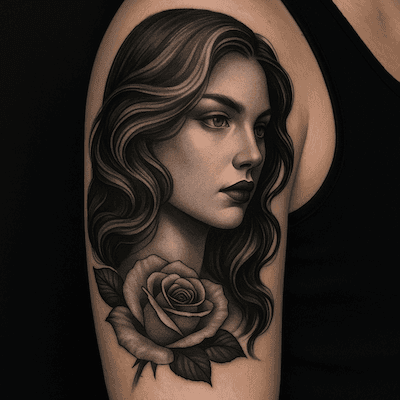
Shading built from diluted black ink alone. Ages well and reads clearly on every skin tone.
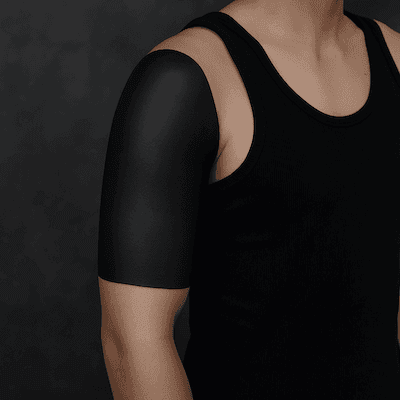
Large areas filled with solid black, often chosen to cover older work or reset a sleeve.
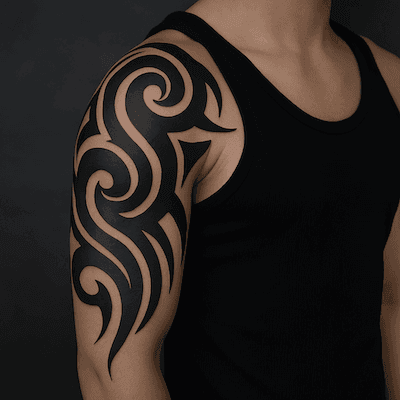
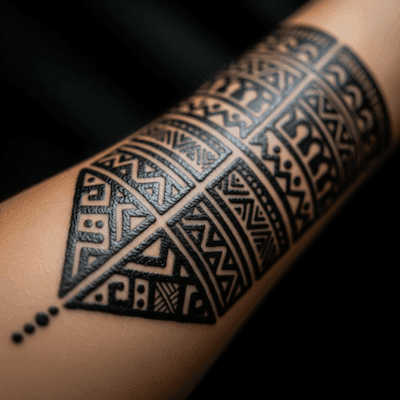
Bold black curves and points rooted in indigenous patterning, drawn to follow the muscle line.
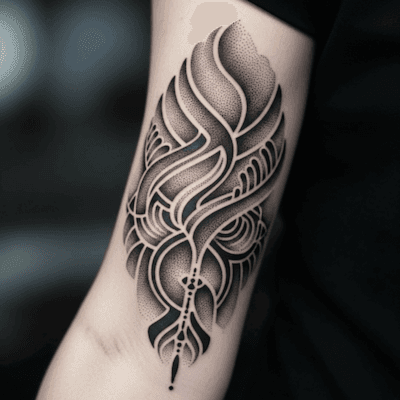
Tone made entirely from stippled dots. Pairs naturally with mandalas and geometric work.
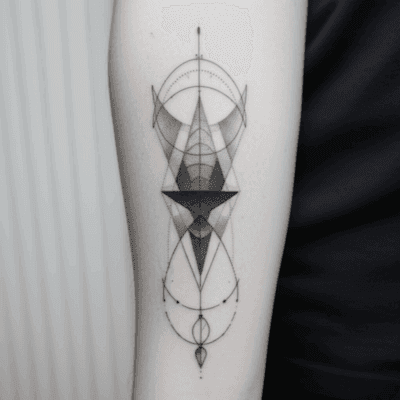
Repeated lines, circles and symmetry, where precise placement matters more than colour.
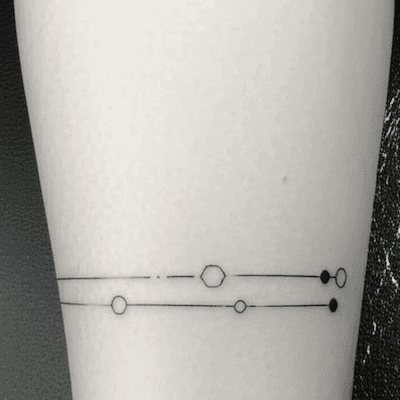
A single hairline weight with no shading. Suits small motifs, script and delicate florals.
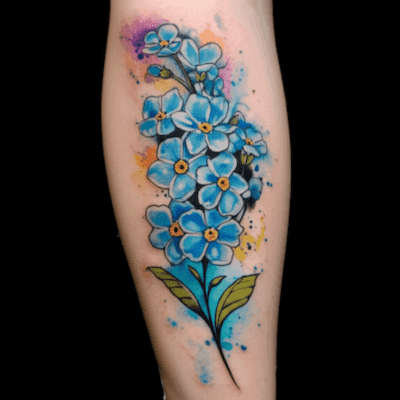
Soft bleeds and colour washes with little or no outline. Popular for flowers and birds.
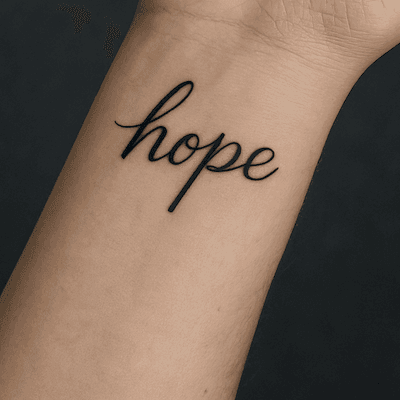
Words as the artwork itself, where the script, gothic or kanji typeface sets the whole tone.
Temporary body art from South American fruit dye. Deep blue-black that fades in about two weeks.
Where you get tattooed decides how visible the piece is, how much it hurts and how large it can be. Check real work on each placement before you commit.
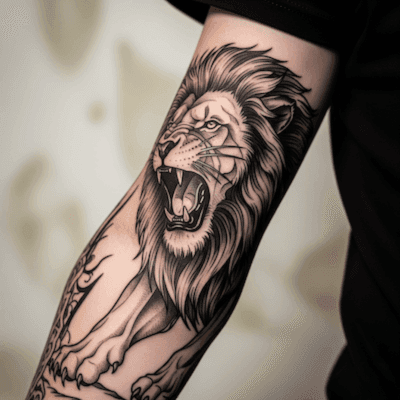
The most common first tattoo. Easy to cover with a sleeve and roomy enough for almost any design.
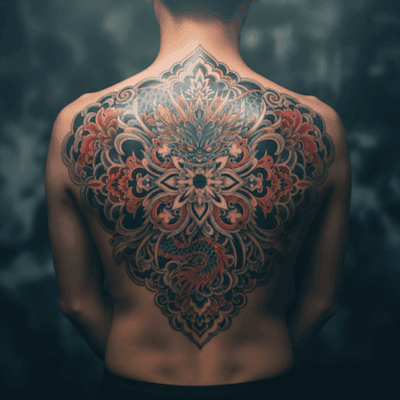
The largest single canvas on the body — the place for one dragon, phoenix or full backpiece.
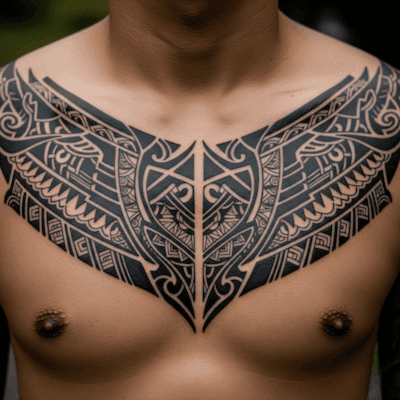
Sternum and collarbone allow symmetrical layouts, and a shirt hides the whole piece.
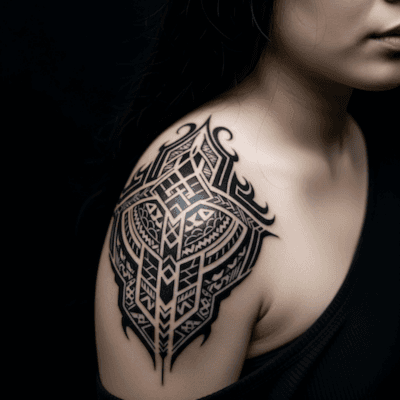
The curve gives a design real depth, and it extends easily into a half or full sleeve.
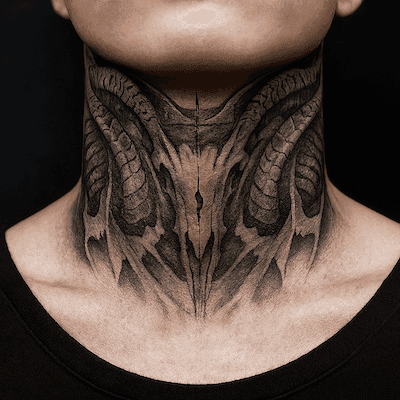
The nape hides under hair or a collar while the throat stays visible. Expect more pain here.
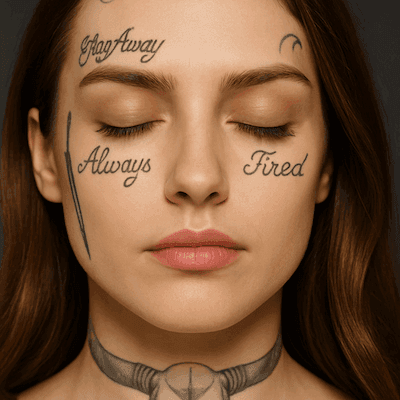
The most visible placement and the hardest to remove. Usually small symbols or tear motifs.
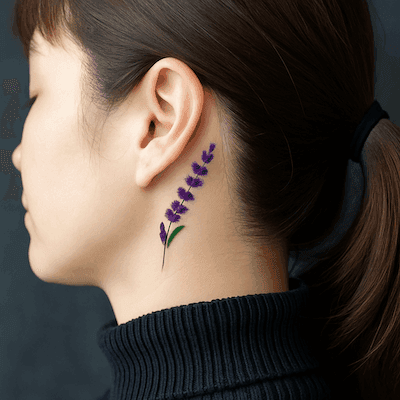
Behind the ear or on the lobe — tiny pieces you can hide by wearing your hair down.
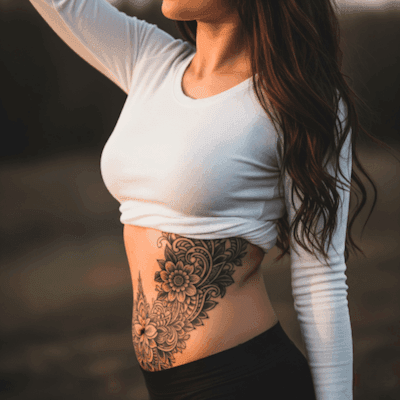
A wide, flexible area, though the shape can shift with weight change or pregnancy.
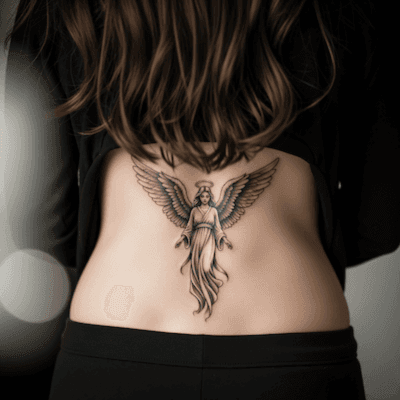
Follows the curve of the hip and only shows when swimwear or low-rise clothing does.
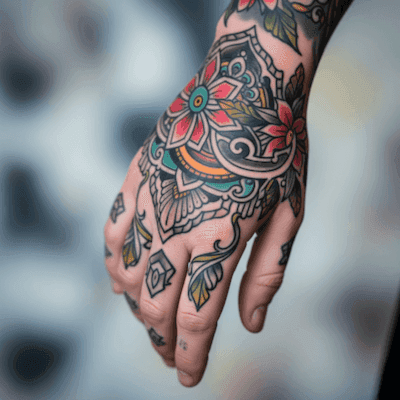
Fingers and the back of the hand draw the eye, but thin skin makes fine lines blur over time.
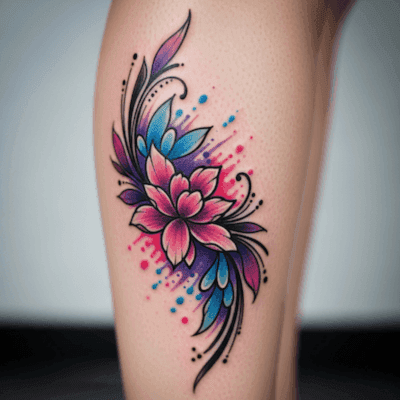
Thighs and calves hurt comparatively little, so they suit long sessions and large pieces.
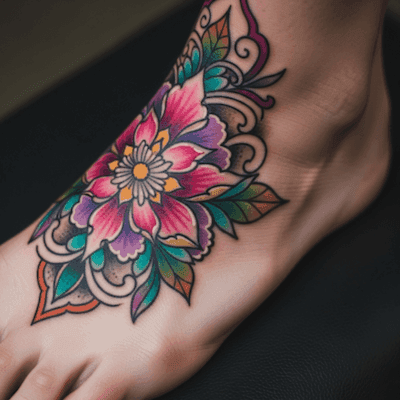
Ankles and the top of the foot fit smaller designs. Shoe friction fades the ink faster.
Dragons, snakes, roses, butterflies and more. Most motifs carry meanings handed down through a specific culture, and each page covers the symbolism alongside real examples.
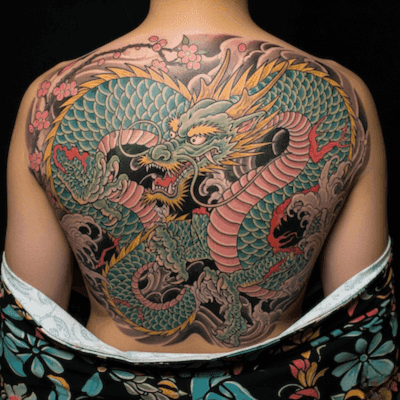
Power, wisdom and protection. The signature subject of Japanese backpieces and sleeves.
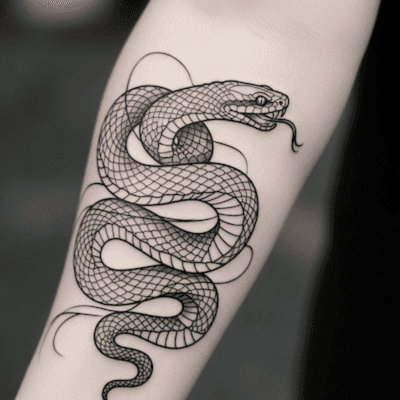
Shedding its skin makes it a symbol of rebirth and healing, and it wraps naturally around a limb.
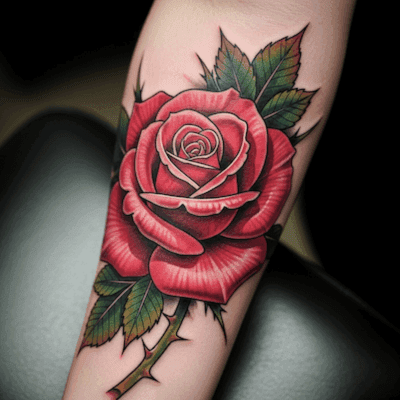
Love and passion, with the meaning shifting by colour. Add thorns and it speaks of pain too.
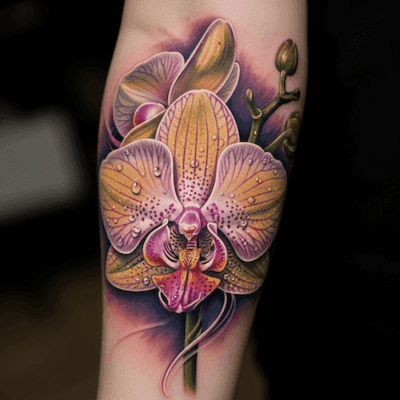
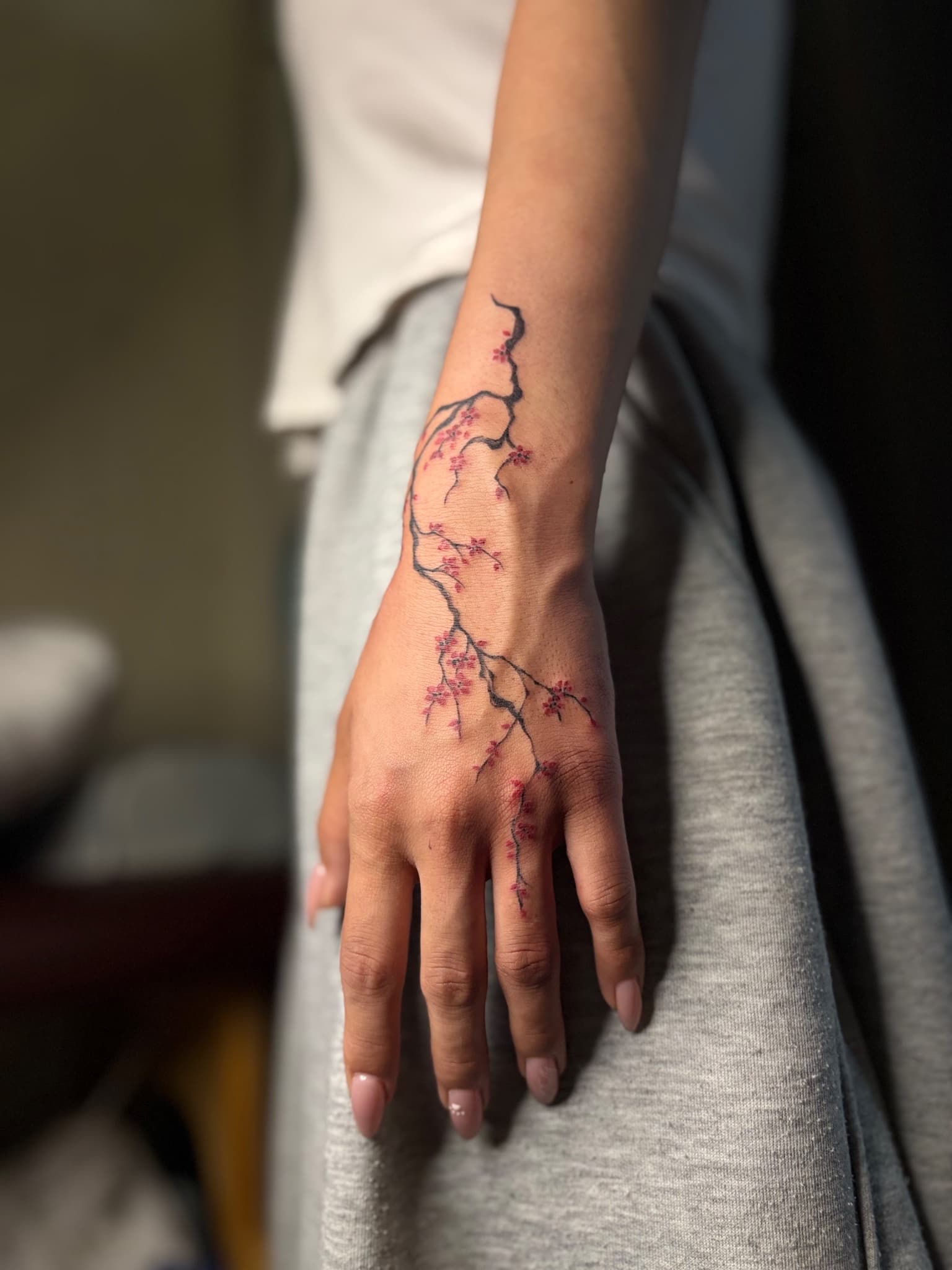
Cherry blossom for impermanence, lotus for rebirth, peony for wealth — each bloom reads differently.
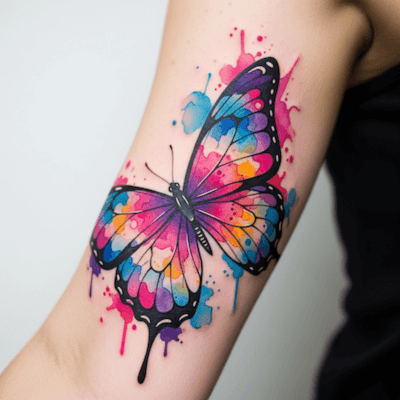
Emerging from the chrysalis makes it the classic symbol of transformation and growth.
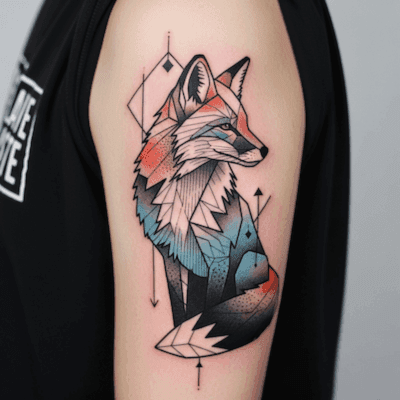
Wolves for loyalty, tigers for courage, cats for protection. Pick the animal that carries your meaning.
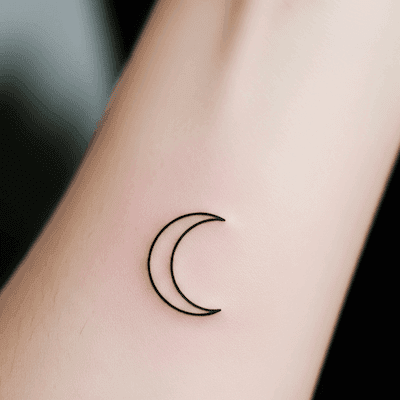
Its phases stand for femininity, growth and renewal. A crescent still works at a tiny scale.
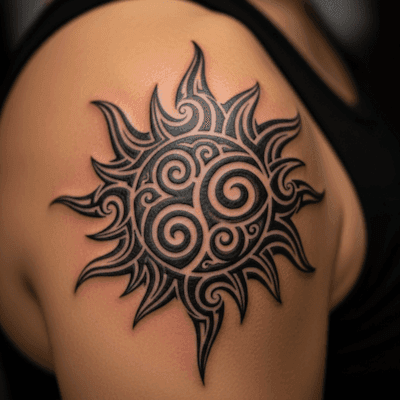
The source of life and energy, worshipped across cultures and usually drawn with strong radiating lines.
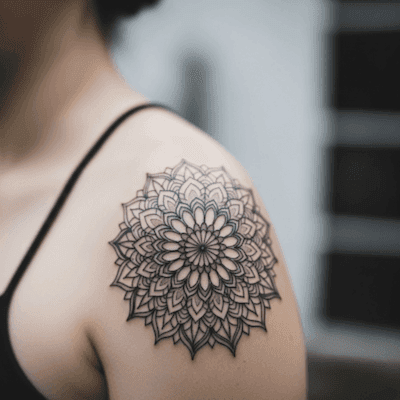
A Buddhist geometric circle for the universe in balance. Centres well on a shoulder or the spine.
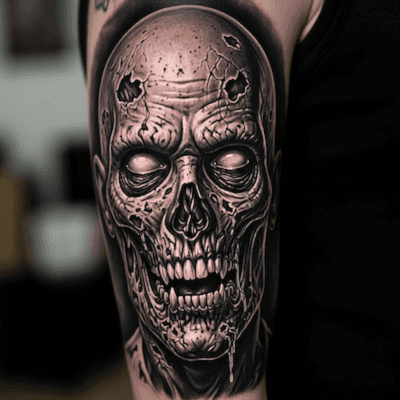
Portraits and animals rendered in photographic shading. Needs size to hold the detail.
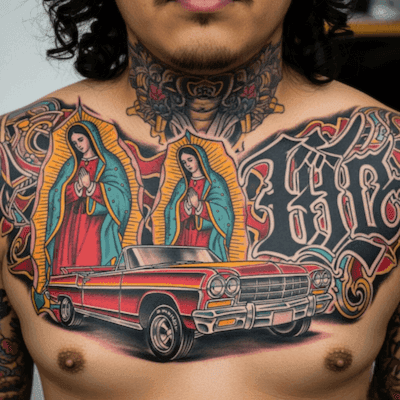
Fine black linework from West Coast Mexican-American culture: Virgin Mary, clocks and script.
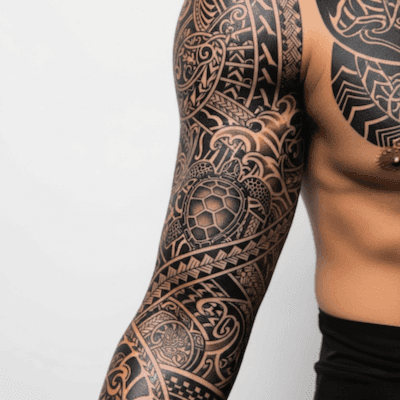
Pacific island patterning where each band records family, status or a prayer to the sea.
Small one-point pieces, minimal linework, or full A4-sized work. Start here when you are shaping the mood, the budget or the length of the session.
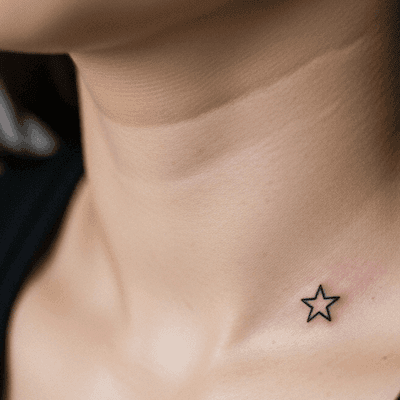
A single small motif on the wrist or ankle. Quick to sit for and the cheapest way to start.
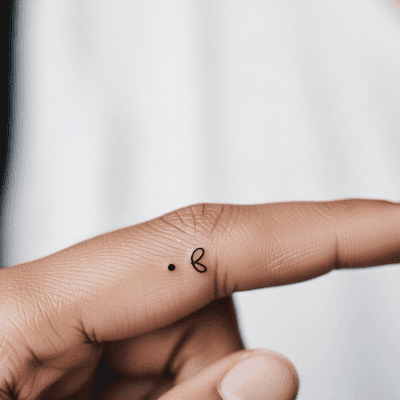
Line and negative space only, stripped back to the fewest marks that still read.
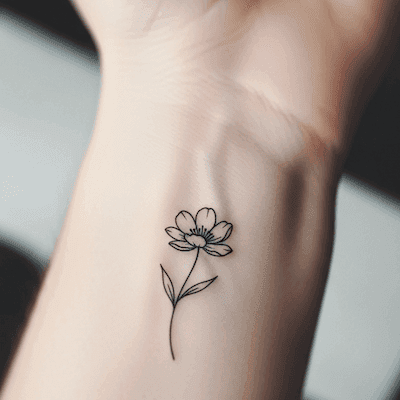
Clear, uncluttered shapes with no extra ornament — a common choice for a first tattoo.
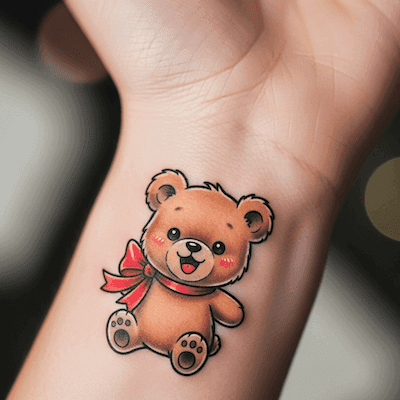
Rounded lines and soft colour on animals and flowers. Cute rather than bold.
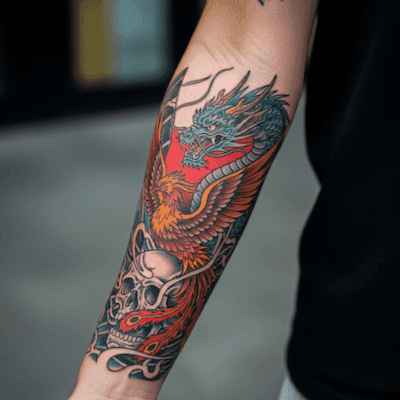
Black-heavy work with sharp lines and deep shading, made to be seen on an arm or back.
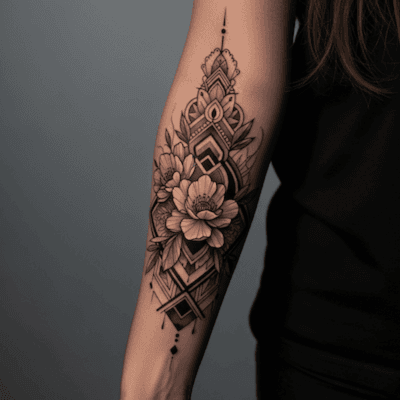
Treated like jewellery: fine lines where the placement matters as much as the motif.
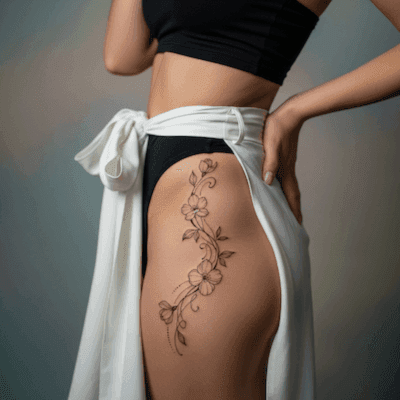
Placed along the waist, hip or chest so the design follows the curve of the body.
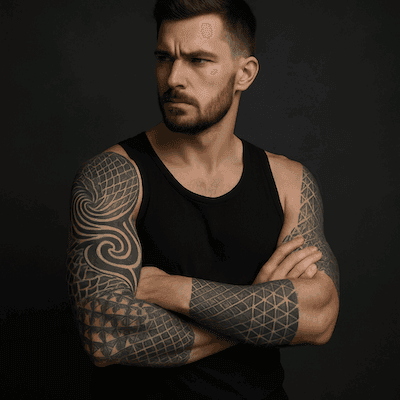
Japanese, tribal and lettering work — larger pieces that use the full width of an arm or back.
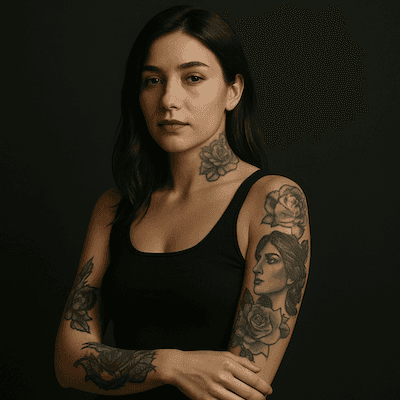
Fine-line florals and butterflies, often on placements that stay easy to cover.
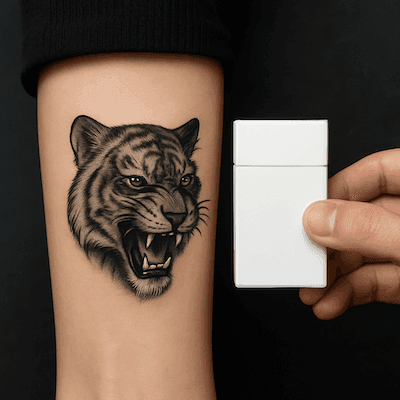
About the length of a cigarette. Most pieces this size are finished in one or two hours.
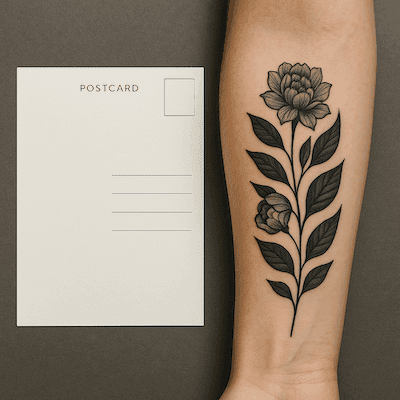
Postcard-sized work that fits an upper arm or a calf in a single sitting.
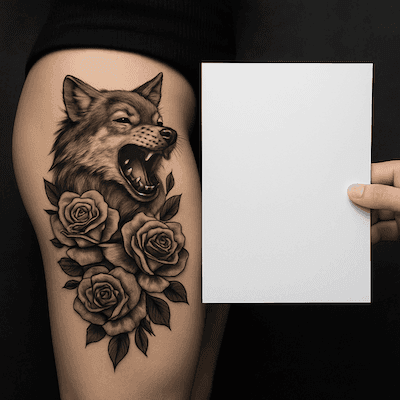
A4-sized and larger, for backs and thighs, often split across more than one session.
The newest pieces added to the gallery, straight from the artists and studios that made them.
Tattoo designs sort into three axes. Pick one to start from, then compare photographs of real work on that page.
Line weight, shading and use of colour. Japanese traditional, black and grey, fine line, American traditional — the same subject reads as a completely different tattoo in each.
Browse stylesThe image itself: a dragon, a snake, a rose, a butterfly, a mandala. Most motifs carry meanings handed down through a specific culture.
Browse motifsArm, back, chest. Settle this and you have also settled the maximum size, how much it will hurt and how easily you can cover it.
Browse placementsThis gallery adds a fourth entry point, so you can also start from a look or a size such as a one-point piece.
Most motifs carry meanings inherited from a specific culture or faith. Here are the ones asked about most.
Meanings are rarely fixed. They shift by region and era, and by what you combine them with — add thorns to a rose and it also speaks of pain and defence. Every motif page pairs the symbolism with photographs of real work.
There is no single right method, but fixing the order of the decisions makes it far easier.
Saying it out loud once narrows the candidates on its own.
Decide whether you want it seen or covered. The placement then sets the maximum size and the pain level for you.
The same dragon in Japanese traditional and in fine line are two different tattoos. Compare finished photographs, not drawings.
Whether their portfolio already holds a piece close to yours is the single best signal you have.
Finally, confirm the drawing, the price and the number of sessions in a consultation. A tattoo is permanent, so it is worth comparing a few studios before you book.
Small one-point pieces, Japanese traditional, black and grey, lettering, and floral or butterfly motifs are consistently the most requested. One-point tattoos are the usual choice for a first tattoo because they are small, quick and easy to cover, while Japanese traditional remains the standard for large back and sleeve work. What counts as popular still shifts with placement and with age group, so treat any list as a starting point. Each category card on this page shows how many designs the gallery currently holds, which is the most direct way to see what is actually being tattooed.
Open the motif page for the design you are considering: each one sets out the symbolism and where it comes from. A dragon means power and protection, a snake rebirth and healing, and cherry blossom impermanence and new beginnings. Meanings differ between cultures and change again when motifs are combined, so expect more than one valid reading. Once you have settled on a motif, talk the interpretation through with your artist before the drawing stage begins.
Studios in Japan usually quote either by size bracket — cigarette-sized, postcard-sized, A4 and above — or by an hourly rate. A small one-point design is normally finished in one to two hours, while anything larger than A4, or a full back piece, is split across several sessions. Price also moves with the style, the number of colours and whether you request a specific artist, so the only reliable figure is the one you get in a consultation. Where a contributor has shared it, individual designs on this site list the time the session took and the total paid.
A one-point tattoo is a single small motif placed somewhere like the wrist, the ankle or behind the ear, and the term is used widely in Japan. Most sit between a coin and a cigarette in size, take one to two hours, and cost far less than a large piece. Because those placements are easy to cover with clothing or hair, they are a common first tattoo. The trade-off is that very fine lines at a small scale tend to blur as the years pass.
Work in this order: motif, then placement, then style, then artist. Begin with the meaning you want to keep and let that choose the motif. Decide next whether you want the piece seen or hidden, which settles the placement along with the size and the pain level. Then compare styles such as Japanese traditional and fine line using real photographs, and finally look for an artist whose portfolio is already strong in that style.
Yes, nearly every studio accepts reference images or a drawing of your own. Copying another artist's work or a licensed character outright raises copyright problems, so the normal practice is to hand it over as reference and have your artist draw an original version. Skin is curved rather than flat, so a design that works on paper often has to be redrawn to sit correctly on the body. This stage decides the final result, so give the artist time to work through it with you.
Every style, placement, motif and size in the gallery, listed in full so you can jump straight to the page you want.
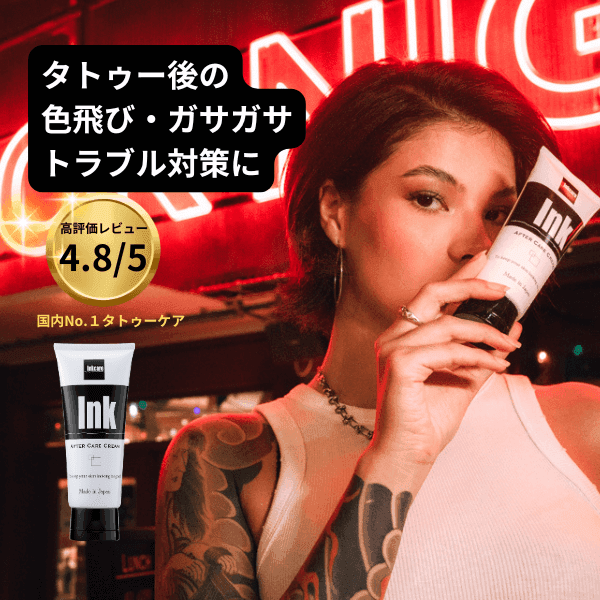
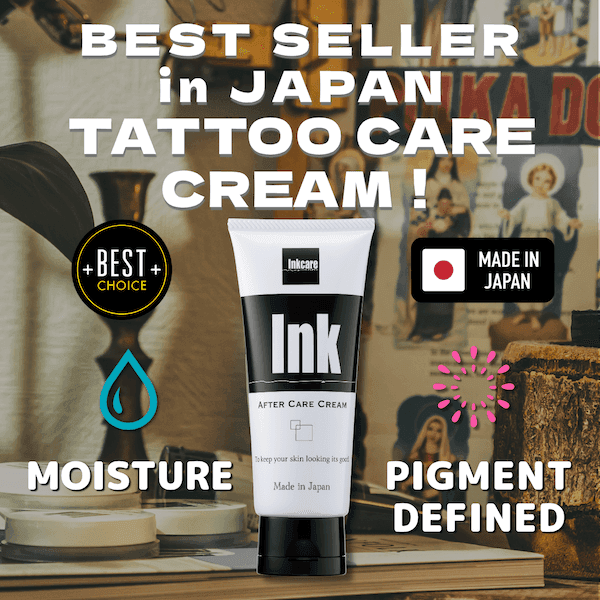 SkincareInkcare After Care Cream (100g)
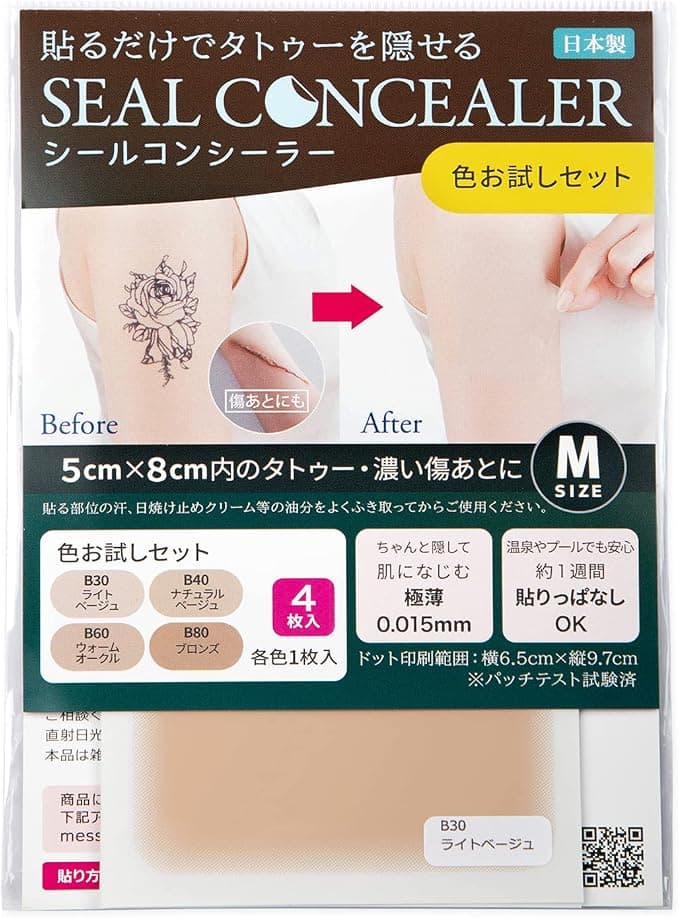 4-color trialCLASSE Tattoo Concealer Stickers
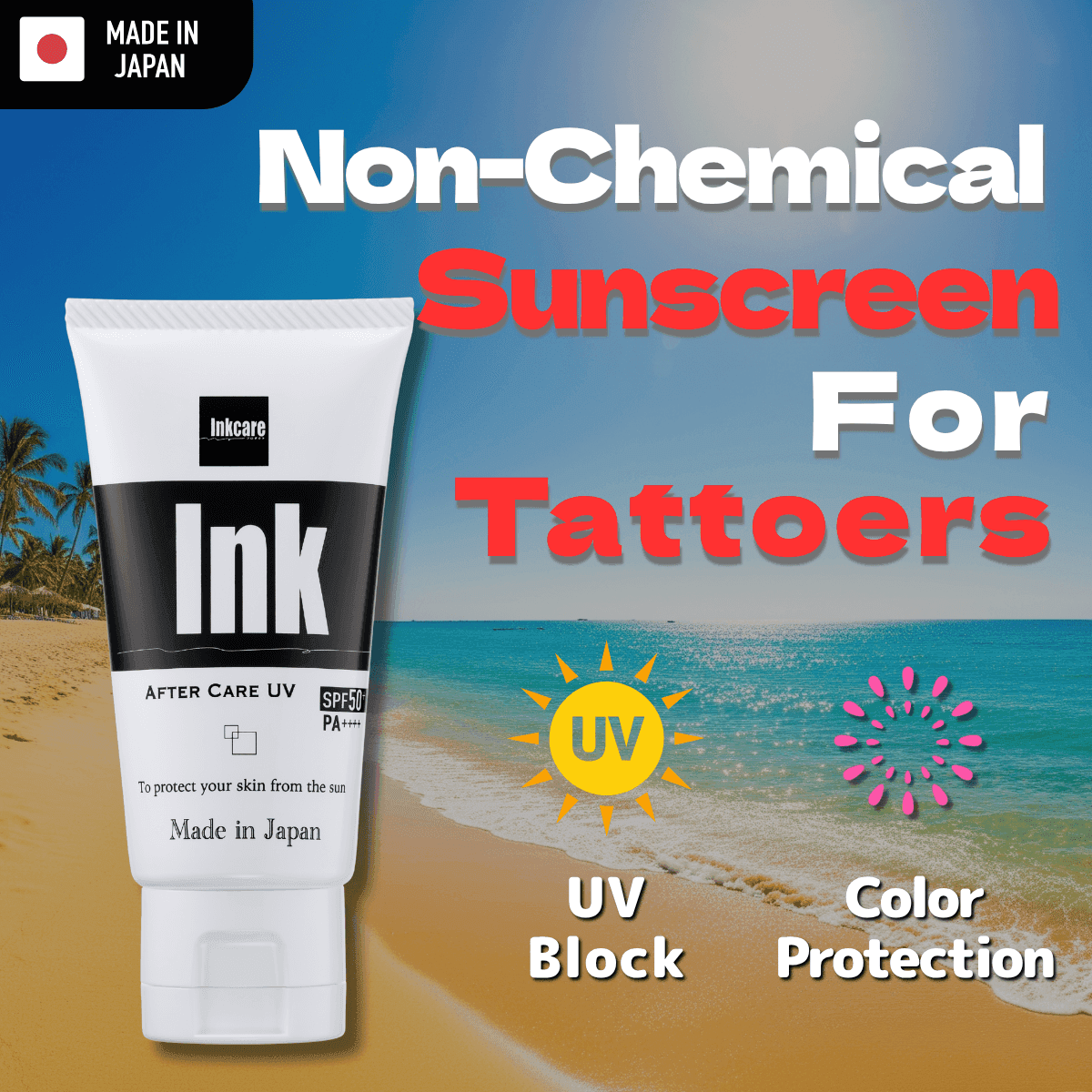 SunscreenAfter Care UV Sunscreen (60g)
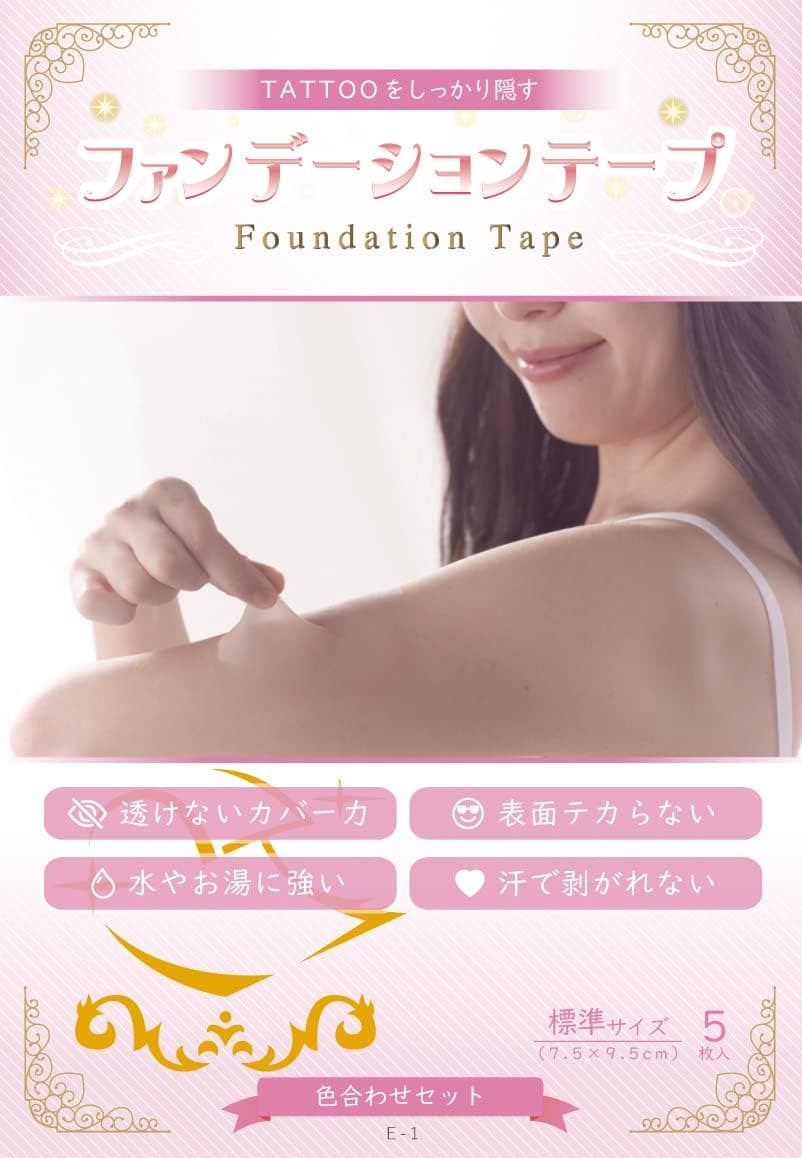 5-color trialFoundation Tape — Standard
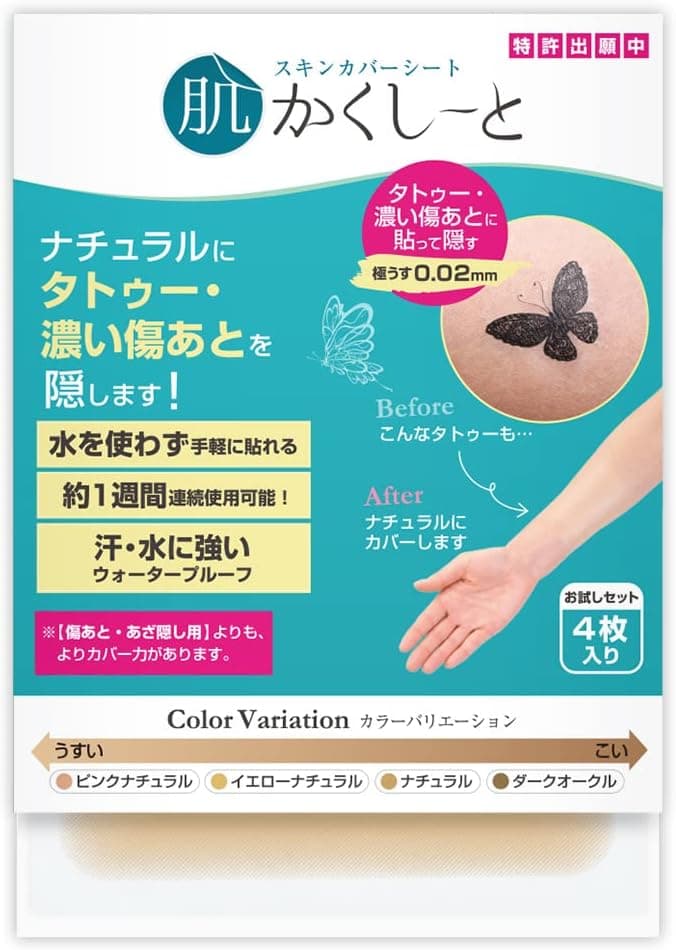 4-color trialHadakakushi Cover Sheets — Regular
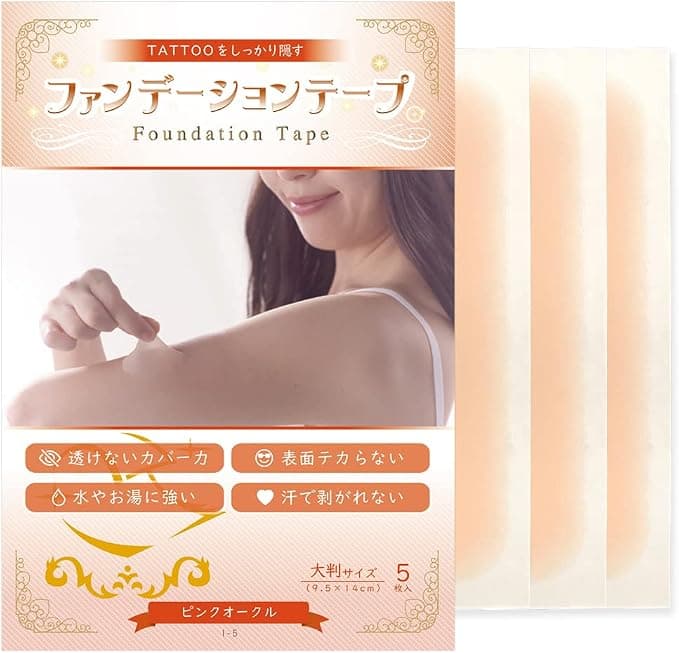 Pink OchreFoundation Tape — 5 Large Sheets
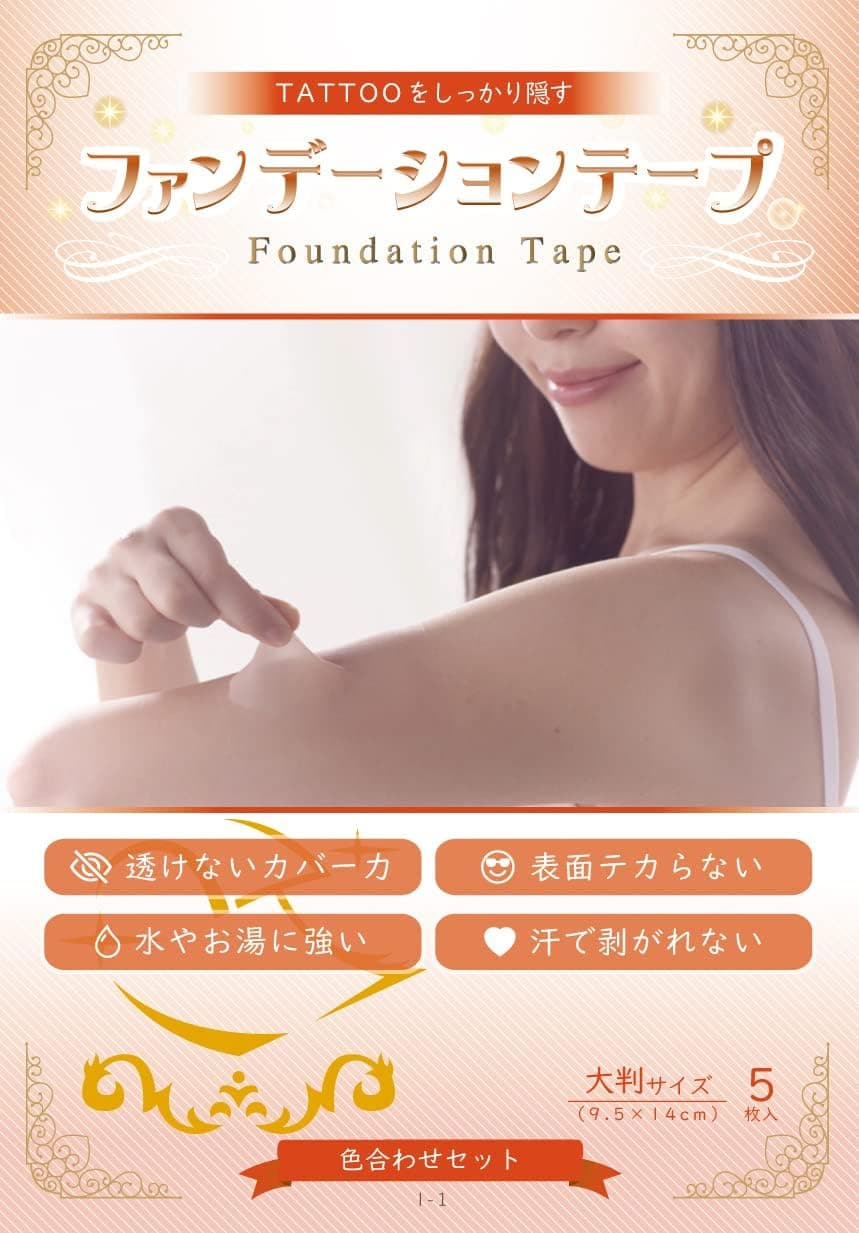 5-color trialFoundation Tape — Large
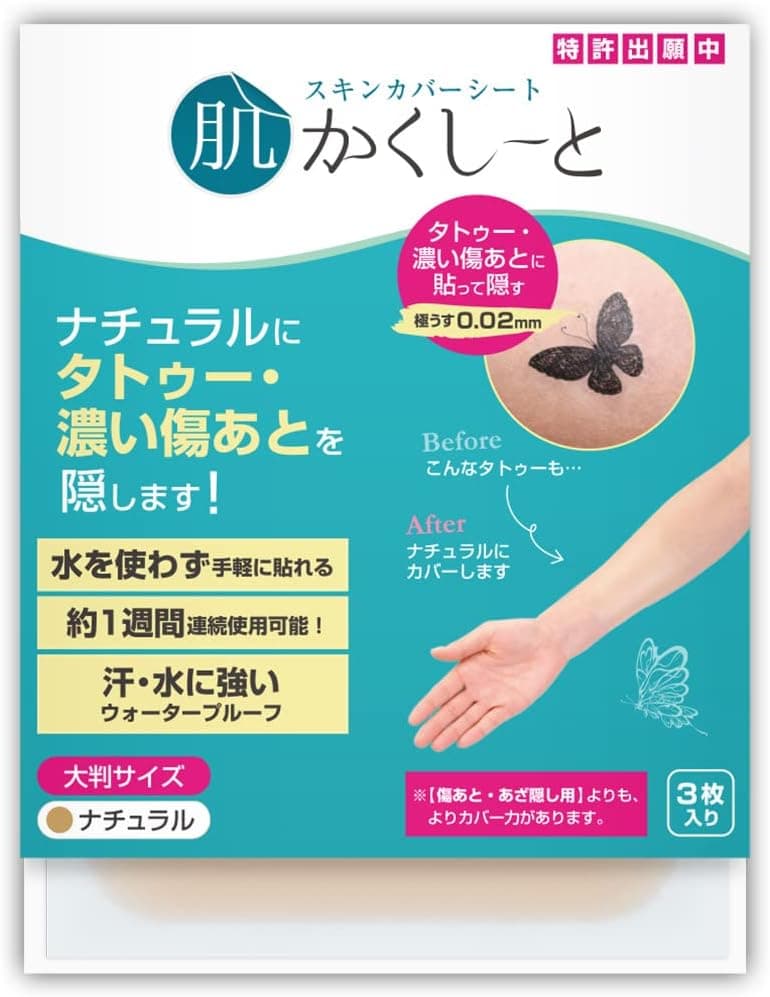 Natural shadeHadakakushi Cover Sheets — Large
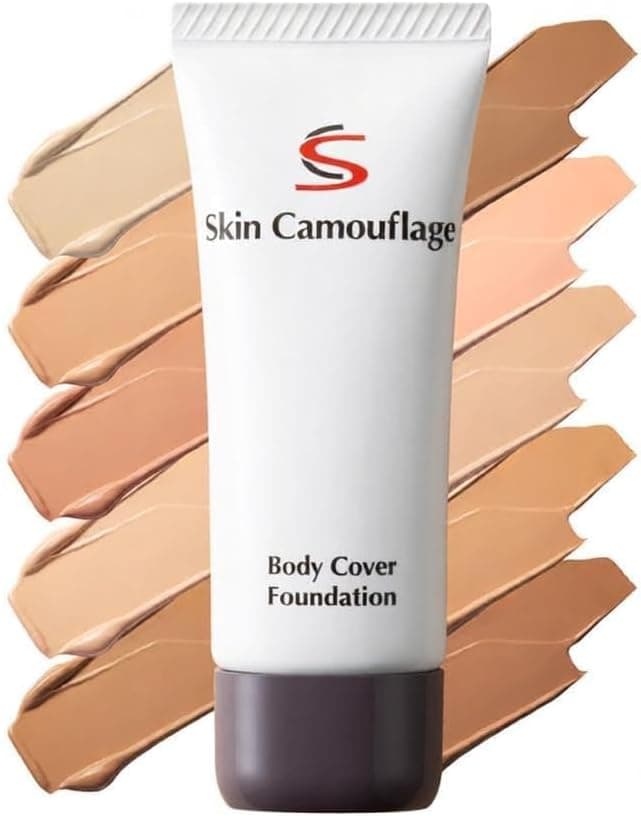 Makeup · shade 02MARSH FIELD Body Cover Foundation N
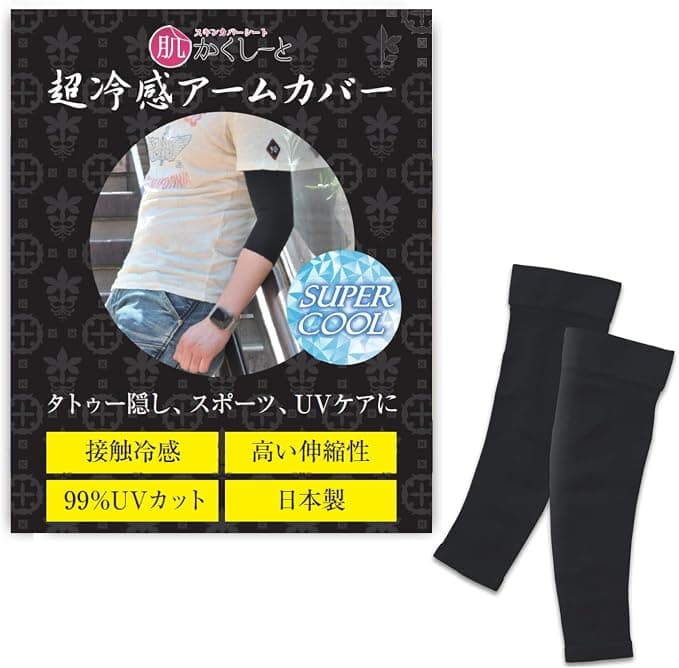 No adhesiveHadakakushi Arm Covers — 1 Pair
* Some links include affiliate advertisements (PR).

* Some links include affiliate advertisements (PR).