


What Counts as a Full-Body Tattoo
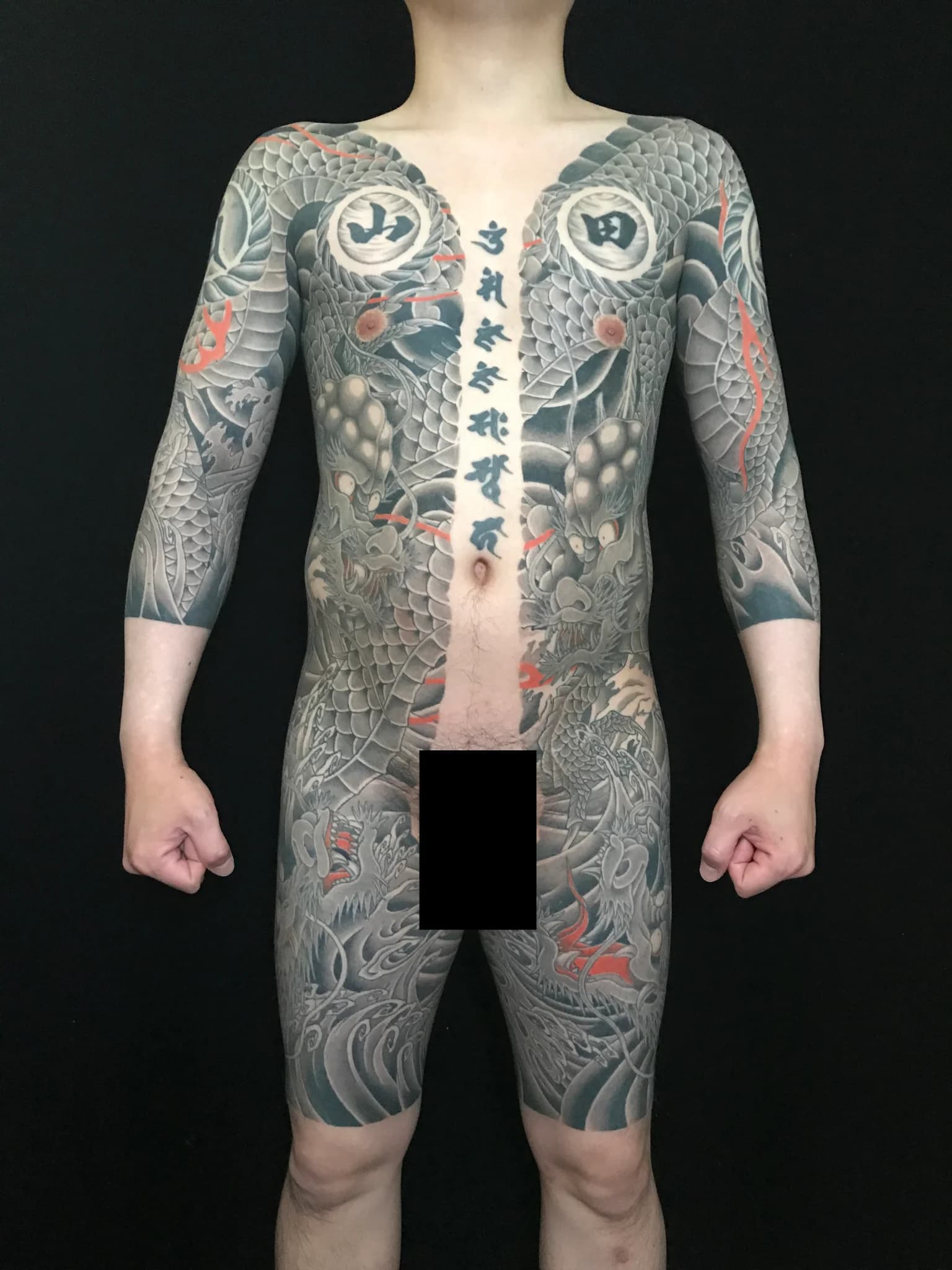
A full-body tattoo covers large areas of the body, such as the back, chest, arms and legs, as one connected composition. In Japan, traditional tattooing (irezumi, or horimono) grew larger over the nineteenth century until it covered the whole body. (Source: Yamamoto Yoshimi, "Irezumi: The Japanese Tattoo Unveiled," Nippon.com (January 2017))
How full-body tattoos developed in Japan
Large pictorial tattoos spread in the second half of the Edo period. They flourished in the Bunka-Bunsei years (1804–30) despite a shogunate ban, as tradesmen such as tobi construction workers, fishmongers, palanquin bearers and boatmen competed to show their spirit. (Source: Kotobank, "Irezumi," Heibonsha World Encyclopedia, in Japanese)
Woodblock prints fed the fashion. From about 1827, Utagawa Kuniyoshi published One Hundred and Eight Heroes of the Popular Water Margin, a best-selling series that showed the outlaw heroes of a Chinese novel with tattoos across their bodies. The Museum of Fine Arts, Boston notes that tattoo artists' oral tradition credits these prints with starting a fashion for extensive pictorial tattoos. Over the nineteenth century tattoos grew larger, ending in the full-body tattoo. (Sources: Museum of Fine Arts, Boston, Tattoos in Japanese Prints; Nippon.com)
In 1872 the Meiji government, worried about Japan being seen as backward, banned both giving and receiving decorative tattoos. Japanese tattooers were still sought out: the future George V of Britain and Nicholas II of Russia are both said to have been tattooed during their stays in Japan. The prohibitions were lifted completely in 1948. (Source: Nippon.com)
For the full story of the ban, read why tattoos are taboo in Japan.
Full-body design trends
A Japanese bodysuit is planned as one picture from the start, not built up from separate small pieces. A profile of a tattooer who works entirely by hand puts it this way: a Western tattoo may begin as a small piece without a background, while a horimono is "always a single, unified design." (Source: VICE (November 2020))
Browse dragons, koi and other classic motifs under Japanese traditional tattoo designs.
Before You Commit to a Full-Body Tattoo
It includes the painful areas
Covering the whole body means tattooing places that are counted among the most painful. Healthline, a medically reviewed health site, lists the rib cage, armpit, spine, knees and shins among them. (Source: Healthline, Tattoo Pain Chart (updated Dec 2024))
In a Polish survey of 1,092 people, pain was stronger the longer the session lasted. (Source: Witkoś and Hartman-Petrycka (2020)) Agree on session length and spacing with your artist. Our tattoo pain chart covers each body part.
There is a lot of skin to protect from the sun
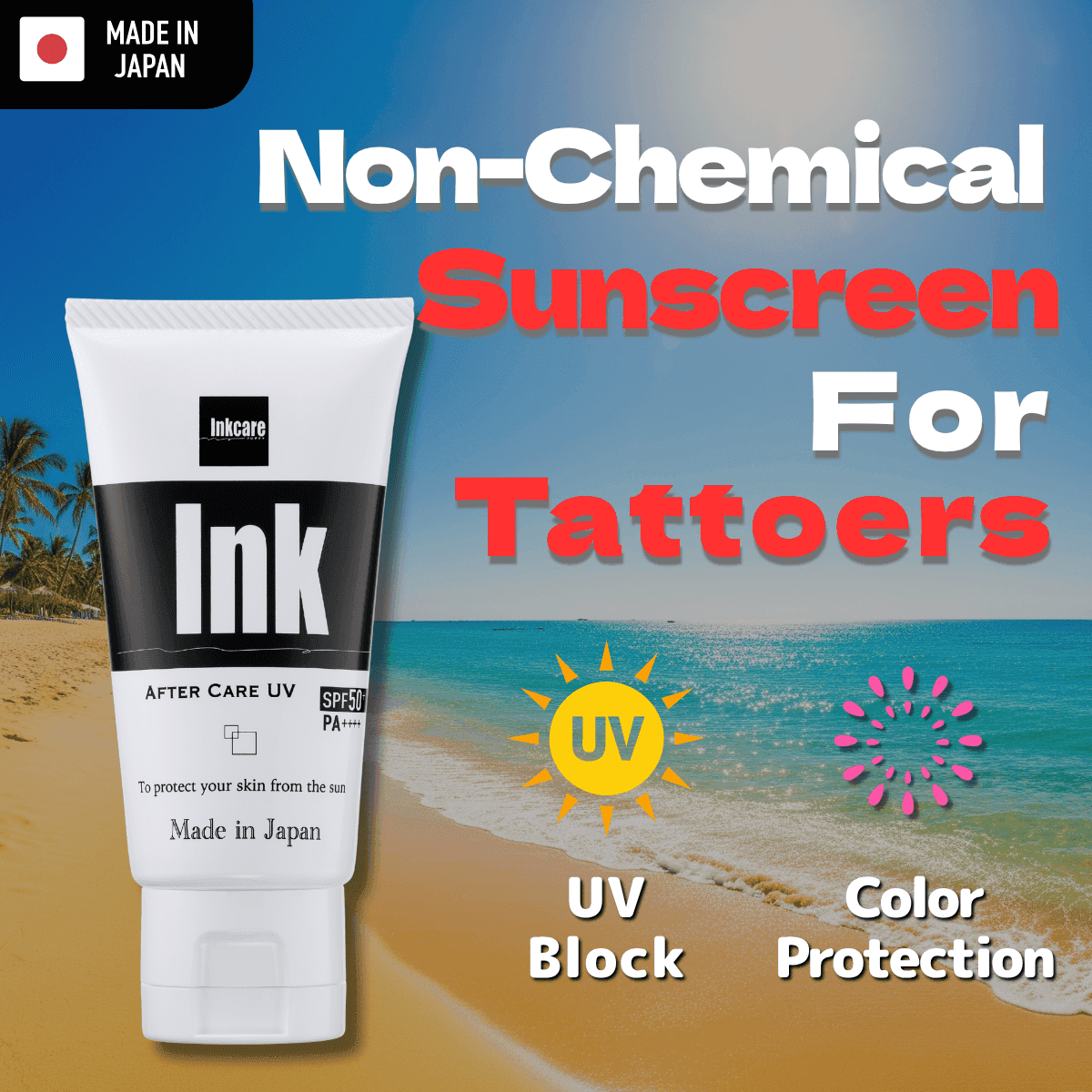
The American Academy of Dermatology says ultraviolet light can fade some tattoo inks and recommends a broad-spectrum, water-resistant sunscreen of SPF 30 or higher on tattooed skin. It adds that tanning beds and sunlamps may also fade ink. (Source: American Academy of Dermatology, Caring for tattooed skin)
Full-Body Tattoo FAQ
How long does a full-body tattoo take?
There is no set time. The same VICE profile says completing a horimono takes dozens of sessions over many months. (Source: VICE (November 2020))
Cost depends just as much on coverage and hours. Use our guide to tattoo prices in Japan as a starting point, and ask for the total and the number of sessions at your consultation.
Can I use an onsen in Japan with a full-body tattoo?
Some facilities will admit you and some will not. In a 2015 Japan Tourism Agency survey, about 56% of the 581 hotels and ryokan that answered turned away guests with tattoos, and about 31% did not. (Source: Travel Voice (October 2015, in Japanese))
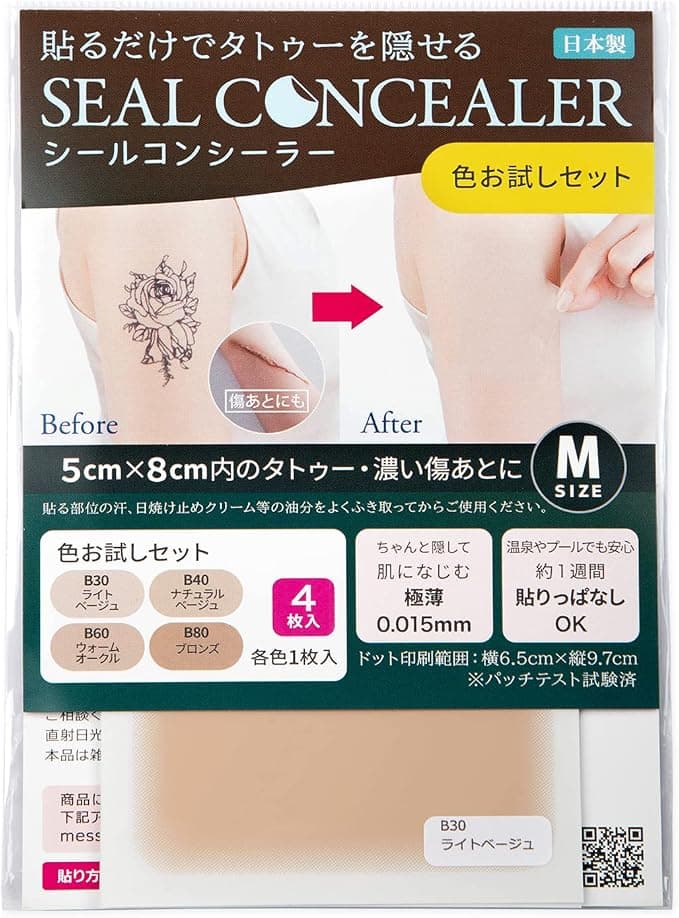
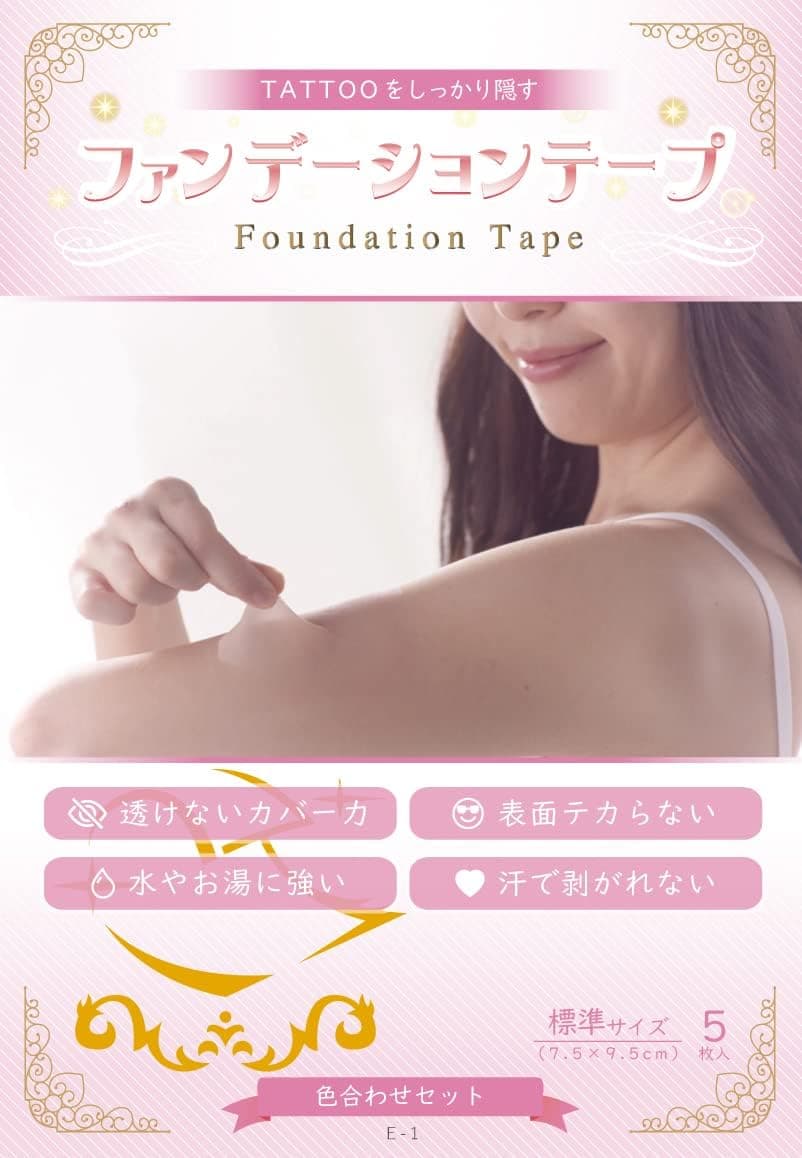
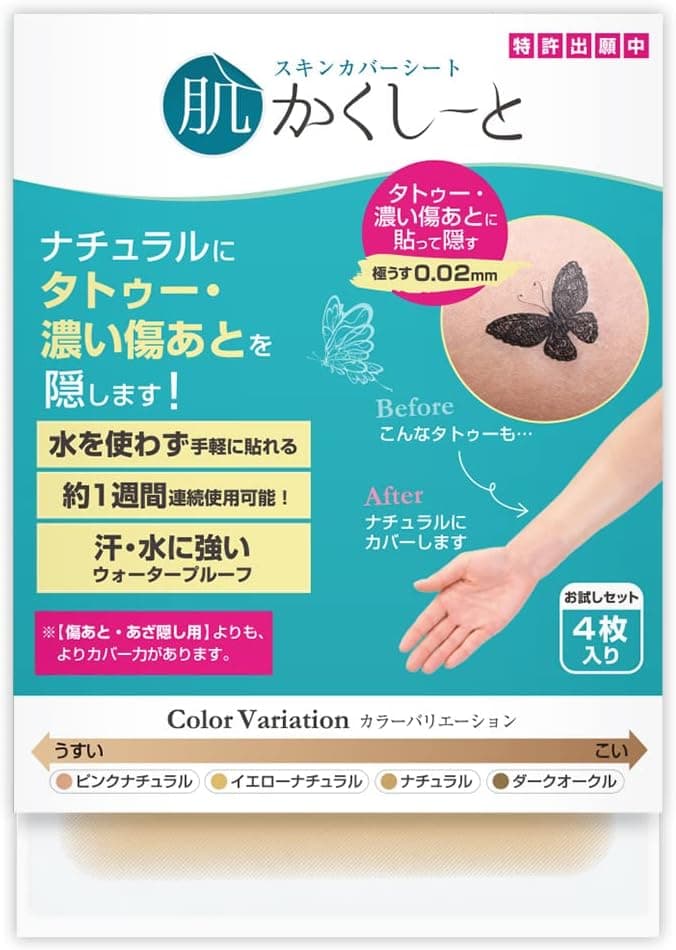
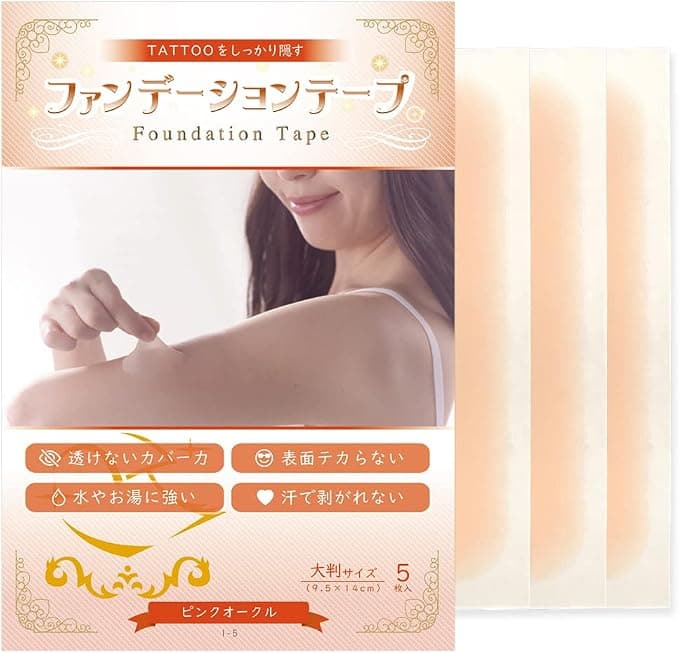
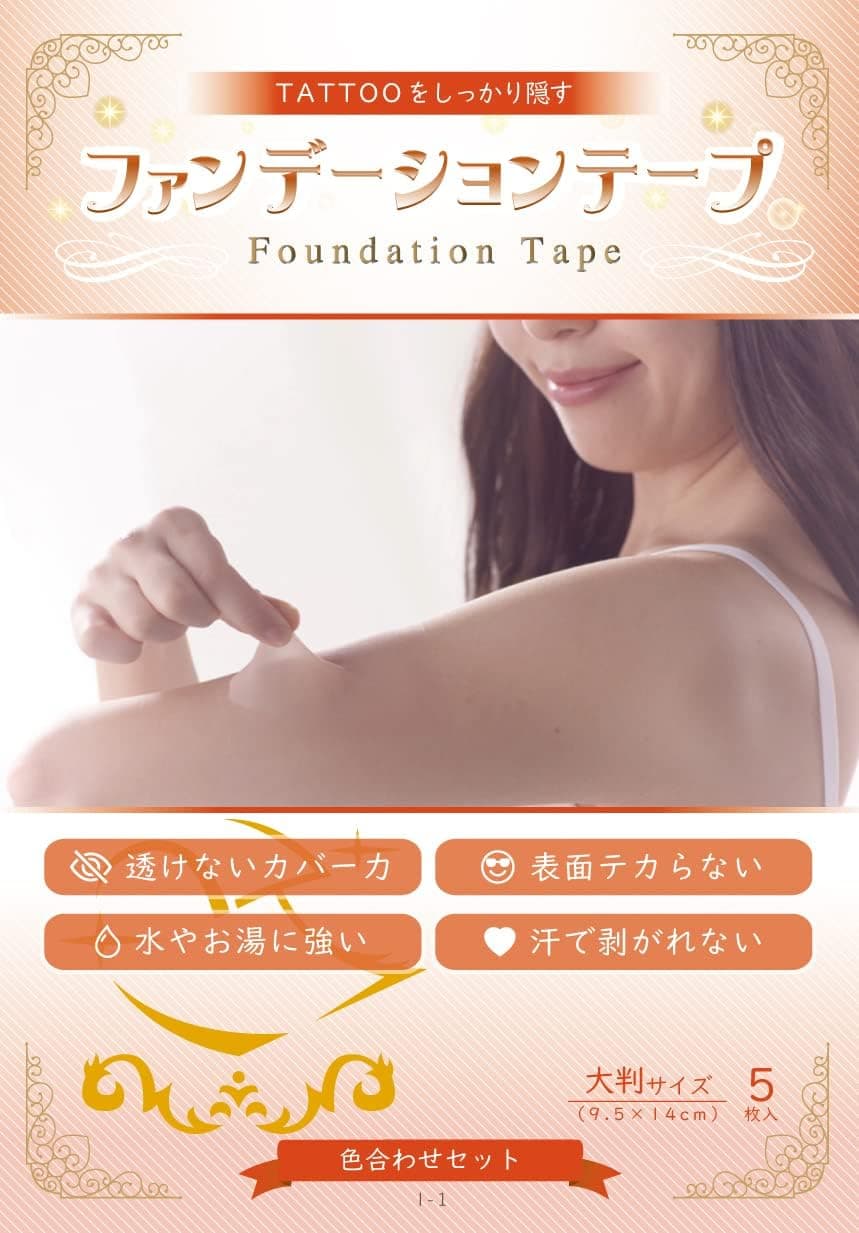
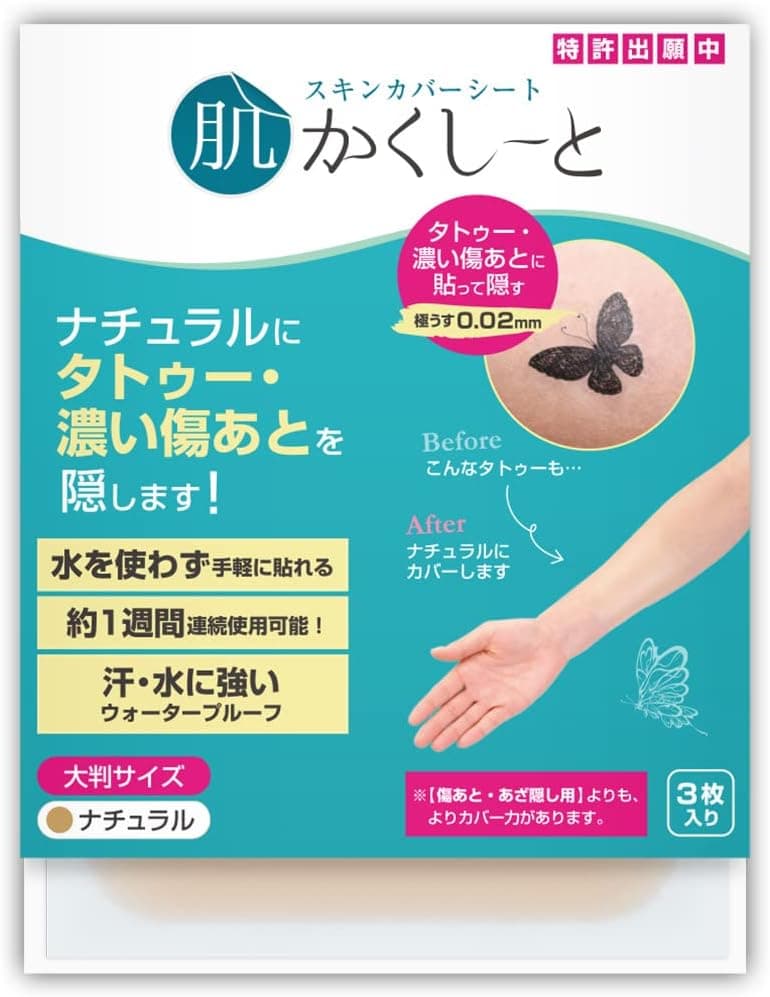
A sticker cannot cover a bodysuit. The examples the agency gave facilities in 2016 for receiving tattooed visitors from overseas include offering a private bath, or a guest room with its own bath. (Source: Ministry of Health, Labour and Welfare and Japan Tourism Agency notice, March 2016 (PDF, in Japanese))
On Tattoo Japan you can search tattoo-friendly onsen and saunas by bathing conditions.