About one in four Americans with a tattoo say they have regretted one at some point, which also means most people don't. The top reasons are getting it too young, changing as a person, a partner's name and poor work. In Japan there is one more factor: many onsen, pools and gyms still restrict tattoos. This guide covers the numbers, the reasons, what tattoos mean for daily life in Japan, how to lower the risk, and your options if you do regret one.
Key takeaways
- In US surveys, 22–24% of people with tattoos say they have regretted one. In a UK survey it was 14%
- Top reasons: too young, personality or lifestyle changed, someone's name, poorly done, no longer meaningful
- In Japan, many onsen, pools and gyms restrict tattoos, while most sento (neighborhood bathhouses) let you in
- To lower the risk: take your time with the design, choose a spot that works both in clothes and at the onsen, and pick the artist by portfolio and consultation
- If you regret one: cover it for the day, get a cover-up, or have it removed by laser, which often takes 5–10 sessions or more
- Find tattoo-friendly onsen in Japan
How Many People Regret Their Tattoos?
Most surveys that ask tattooed people about regret come from the US and the UK.
| Survey | Country, year | Ever regretted |
|---|---|---|
| Pew Research Center | US, 2023 | 24% |
| The Harris Poll | US, 2015 | 23% |
| YouGov | US, 2015 | 22% |
| YouGov | UK, 2015 | 14% |
Pew Research Center surveyed 8,480 US adults in July 2023. Of the 32% who have a tattoo, 24% said they have ever regretted getting one or more of them. (Source: Pew Research Center, Aug 2023)
The Harris Poll found almost the same share in October 2015: 23% of tattooed adults, up from 14% in 2012, in a survey of 2,225 US adults. (Source: The Harris Poll, Feb 2016) YouGov's 2015 figures were 22% in the US and 14% in Britain, though from small groups of 237 and 301 tattooed respondents, which YouGov itself says makes precise estimates difficult. (Source: YouGov, Jul 2015)
Flip those numbers around and most tattooed people have no regrets. In an Ipsos poll from August 2019, 92% of Americans with a tattoo said they were happy with it. (Source: Ipsos, Aug 2019)
What about Japan?
We could not find a large-scale survey of tattoo regret in Japan.
The Most Common Reasons for Tattoo Regret
When The Harris Poll asked people why they regretted a tattoo, in their own words, these were the top answers: (Source: The Harris Poll)
- Too young when they got the tattoo
- Personality changes, or it doesn't fit their present lifestyle
- Got the name of someone they're no longer with
- Poorly done, or it doesn't look professional
- It isn't meaningful
Getting it too young
In YouGov's survey, Americans who got their first tattoo before their 21st birthday were far more likely to have one they regret: 38%, compared with 7% of those who started later. (Source: YouGov)
A study of 196 people seeking tattoo removal at four US dermatology clinics found the same pattern: they had typically been tattooed at around age 20. (Source: Armstrong et al., Archives of Dermatology, 2008)
You change, the tattoo doesn't
The same study described removal as a way of moving on from the past. Tattoos that people got to feel unique later brought stigma, negative comments and problems with what to wear. (Source: Armstrong et al., 2008) Think about how the piece will sit with your life ten years from now, not just today.
A partner's name
The name of someone you're no longer with is one of the top regrets in The Harris Poll. If you want to honor a partner, give it time, or keep it small and somewhere clothes cover. Tattoos that commemorate someone are common, though: 69% of tattooed Americans told Pew that honoring or remembering someone or something was a reason for at least one of theirs. (Source: Pew Research Center)
Poor work
Choosing the artist carefully is your main defense. Max Brown, a Chicago tattoo artist, told Healthline that tattoos without black ink tend to fade unevenly, and that finger tattoos, especially on the sides of the fingers, don't usually heal well. (Source: Healthline, "Tattoo Regret" (2019))
Do Women and Men Regret Tattoos Differently?
We found no survey that publishes regret rates by gender. In the US, women are more likely than men to have a tattoo: 38% vs 27%. (Source: Pew Research Center)
In the removal study, 130 of the 196 patients were women. The researchers found women were hit harder than men by the downsides of having a tattoo, such as negative comments and clothing problems, and suggested women may still prefer spots where they control who sees it. (Source: Armstrong et al., 2008) That data is from 2006. Rather than worrying about gender, it's more useful to think about your age, the placement and size, and the people around you.
What a Tattoo Means for Daily Life in Japan
Onsen and ryokan
In a 2015 Japan Tourism Agency (JTA) survey of hotels and ryokan, about 56% of the 581 that responded refused bathers with tattoos, about 31% allowed them, and about 13% allowed them with conditions such as covering them with stickers. (Source: Travel Voice, Oct 2015 (Japanese))
The JTA's ryokan guide says rules vary by ryokan. Some have no restrictions, some decide case by case, and "one or two small tattoos may be absolutely fine." Many ryokan also have private baths you can use with tattoos. (Source: Japan Tourism Agency, Ryokan Q&A)
For foreign visitors with tattoos, the JTA shared example responses for onsen facilities in March 2016: ask guests to cover tattoos with stickers, make no special request if a tattoo is small (palm-sized, for example) and unlikely to intimidate other bathers, suggest times when few families are bathing, or offer private baths. (Source: House of Representatives, question No. 298, May 2016 (Japanese)) The government later said the final decision rests with each facility. (Source: Government reply No. 298, Jun 2016 (Japanese))
Sento usually let you in
In 2017, the government stated that, under the Public Bath Act, a tattoo alone does not make someone a person the bath must refuse (such as someone with an infectious disease), nor does it make their bathing an act that fouls the bath. (Source: Government reply No. 69, Feb 2017 (Japanese)) Japan's national sento association told J-CAST News that sento don't turn people away for tattoos and that it has no rule banning them. (Source: J-CAST News, Feb 2017 (Japanese))
Gyms and pools
Some gyms and pools refuse tattoos outright. The fitness chain Konami Sports Club says in its membership guide that it refuses facility use to people with tattoos, including fashion tattoos. (Source: Konami Sports Club, membership guide (Japanese))
Here is how the venues listed on Tattoo Japan break down as of October 25, 2026. These counts cover only the venues listed on Tattoo Japan, so they are not national averages.
| Venue type | Listed | Tattoo OK | Limited | No tattoos | Unknown |
|---|---|---|---|---|---|
| Onsen & saunas | 469 | 378 | 55 | 32 | 4 |
| Sento | 1,538 | 818 | 5 | 14 | 701 |
| Pools & gyms | 2,322 | 23 | 386 | 193 | 1,720 |
"Limited" means you can get in with conditions, such as cover stickers, private baths only or size limits. Of the 602 pools and gyms whose policy we know, only 23 let you in with tattoos showing. Of the 837 sento we know about, 818 are tattoo OK.
Work
Mieko Yamada, a sociology professor at Purdue University Fort Wayne who has studied Japanese body art, told CNN that people in Japan seem more tolerant of tattoos now, thanks to musicians and athletes who have them. She added: "But if people have any visible tattoo they can be really afraid of getting fired from their job. So they tend to hide them." (Source: CNN, Jan 2019) If you live or work in Japan, check your workplace's dress code and think about whether the spot shows in a uniform or short sleeves.
MRI scans
The US Food and Drug Administration (FDA) says some people get swelling or burning in a tattoo during an MRI, and advises telling your health care provider about your tattoo beforehand. (Source: FDA, Think Before You Ink (updated Dec 2024))
Covering Up for the Day: Onsen and Work
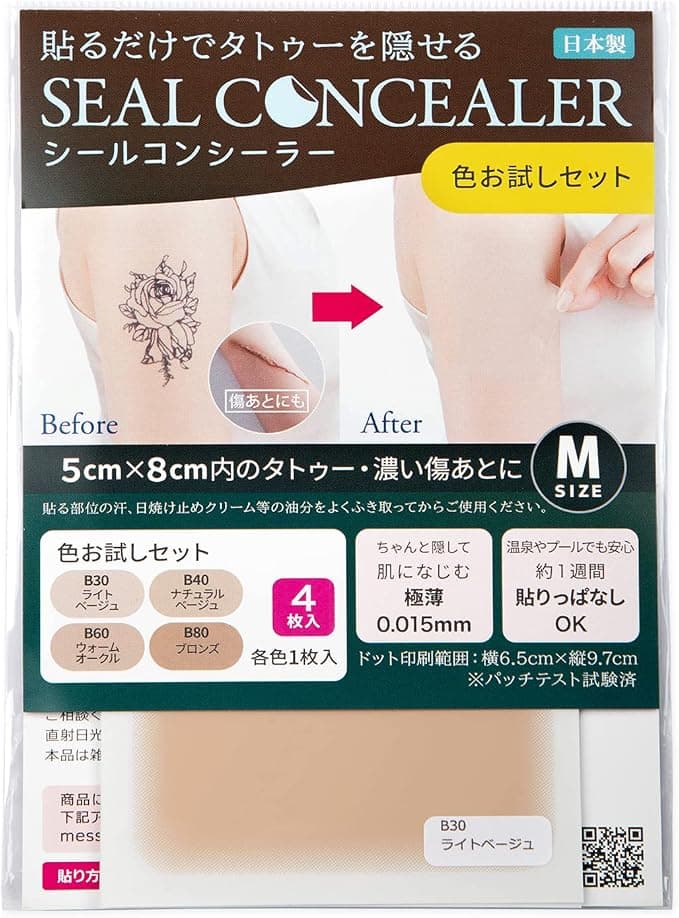
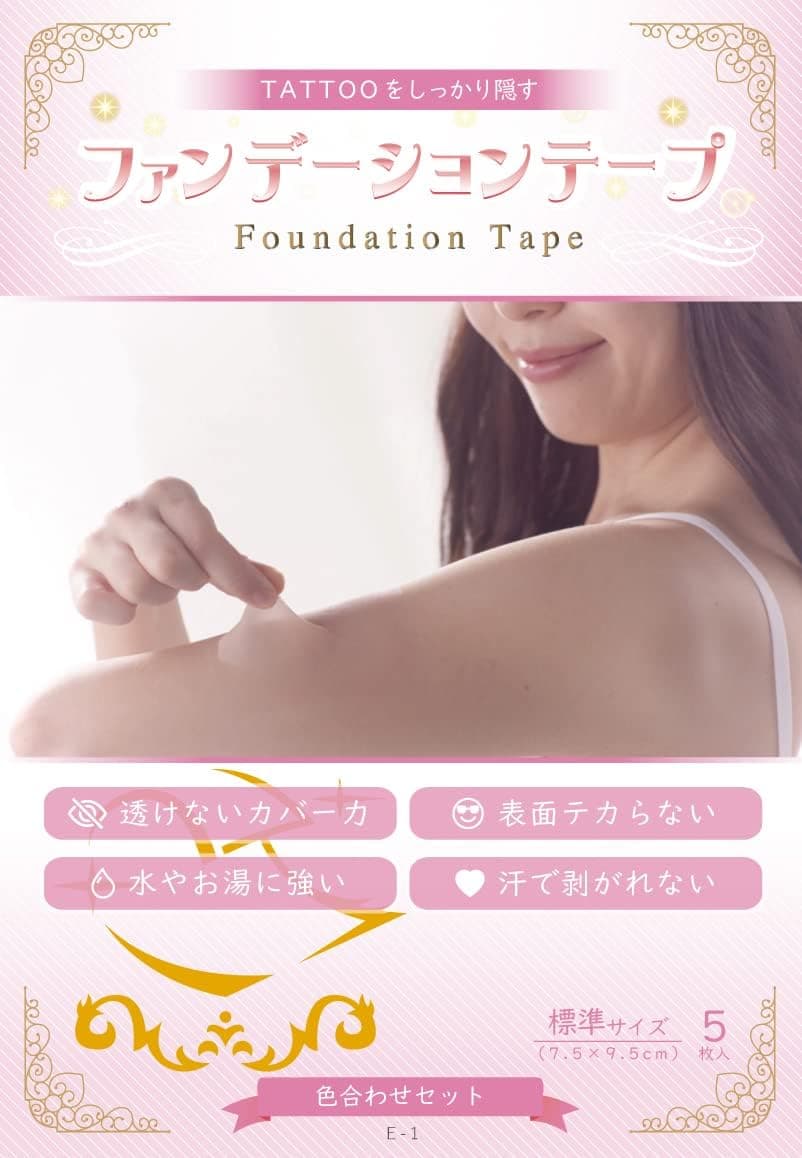
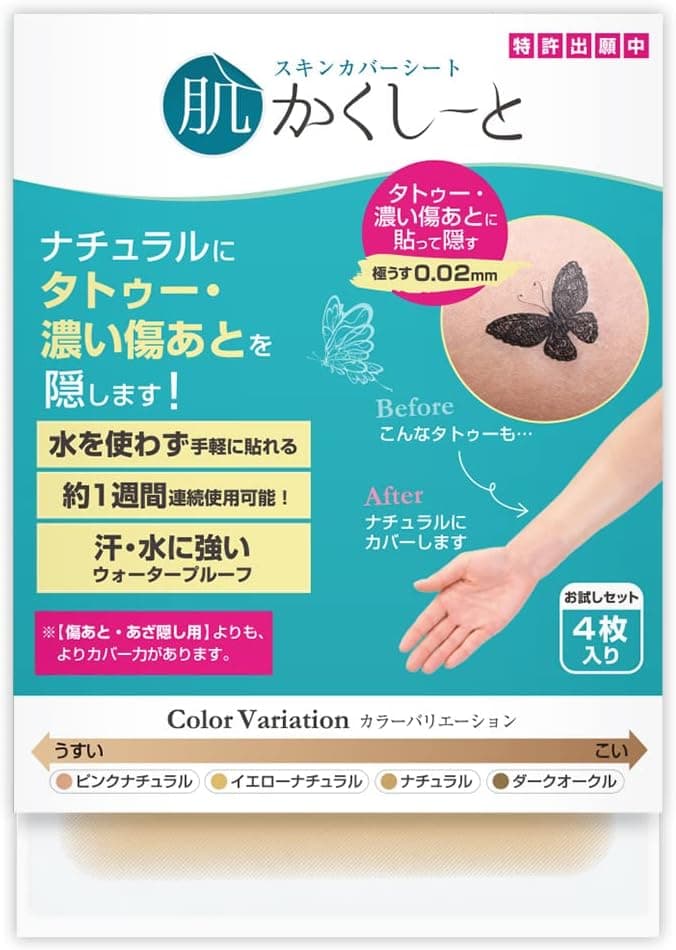
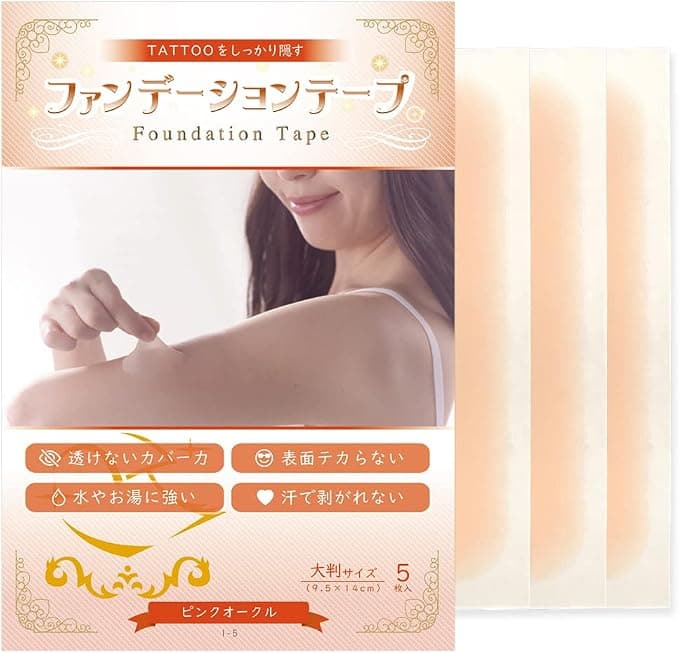
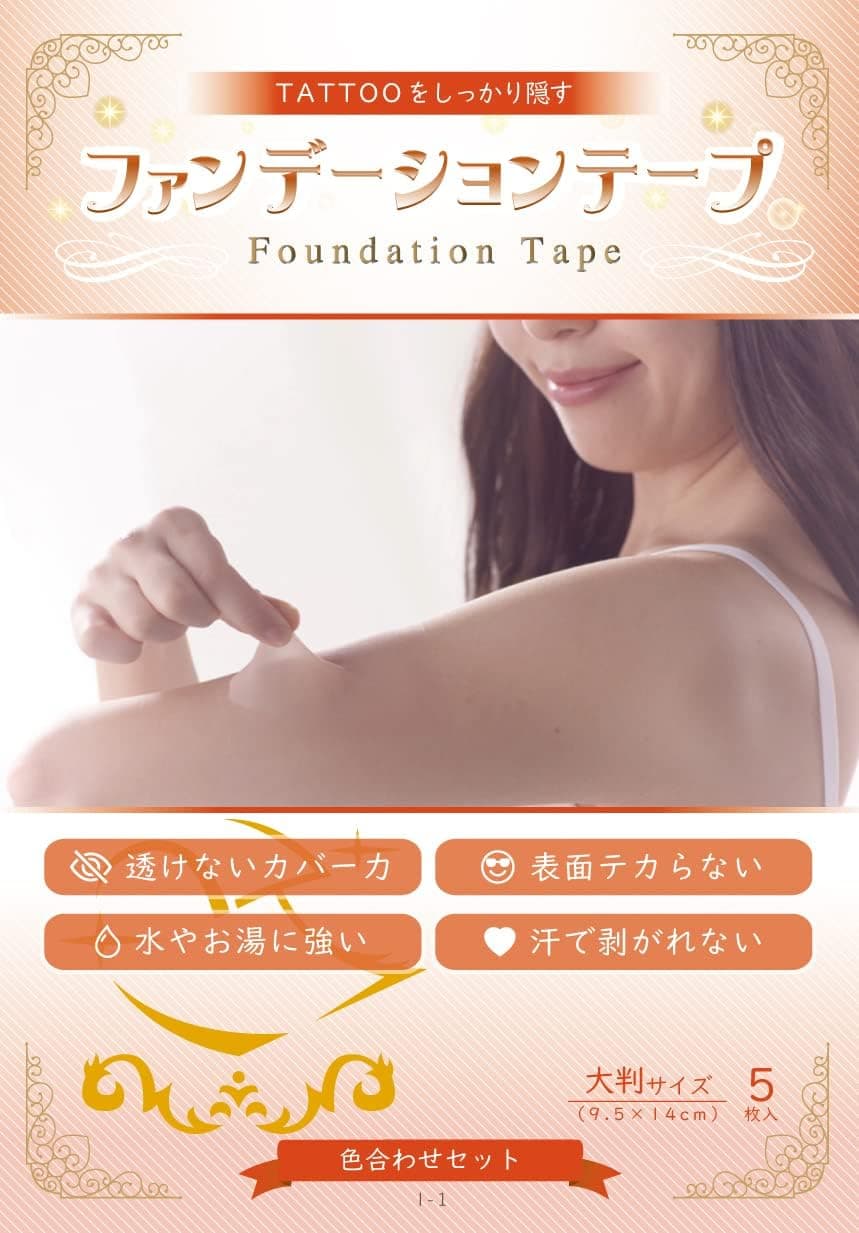
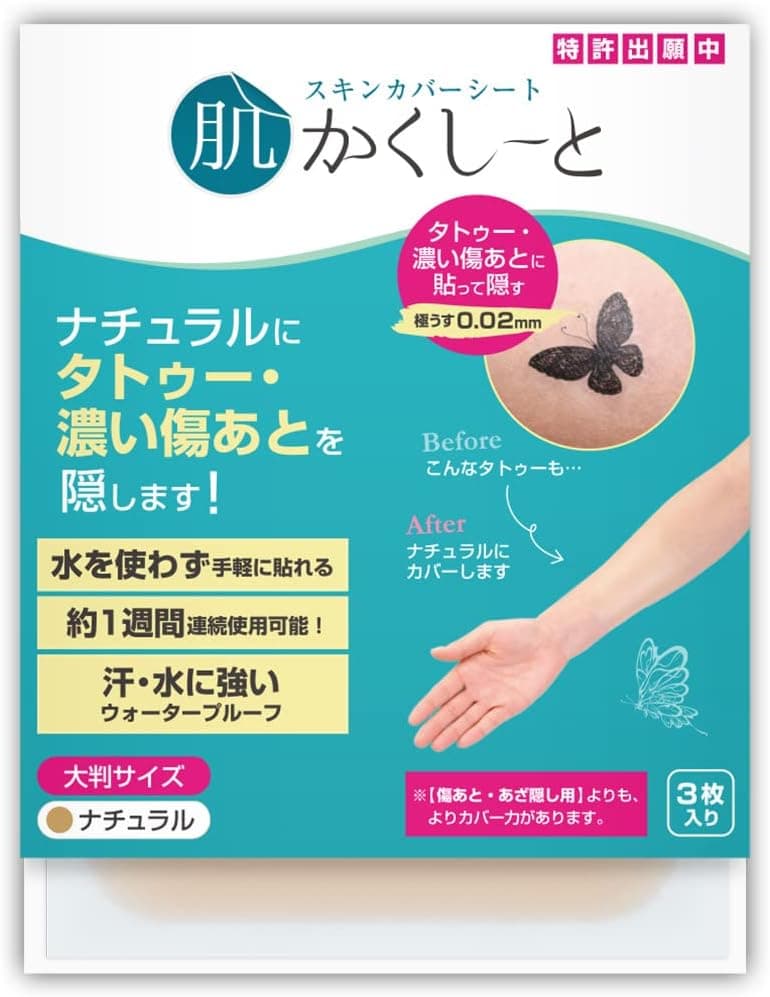
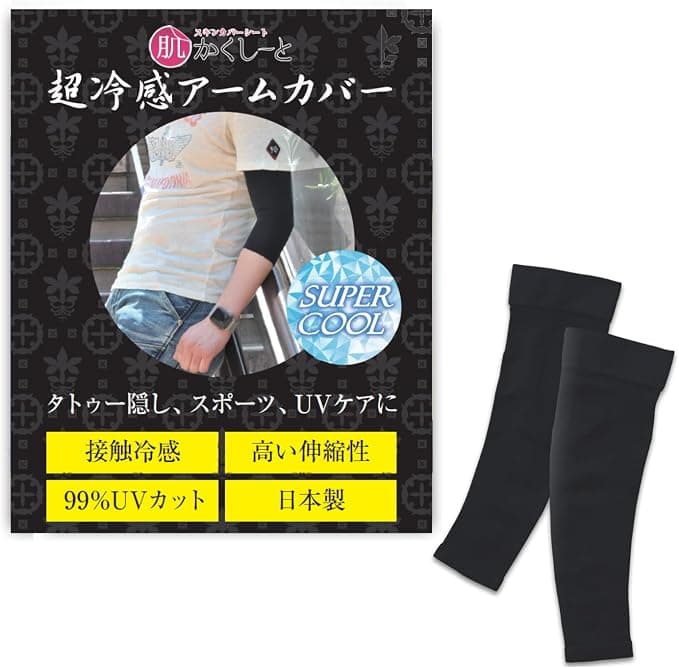
A small tattoo can often be hidden with a cover sticker or tape. For work, arm covers or long sleeves do the job.
Some places won't let you in even if it's covered, so check each venue's rules first. In the 2015 JTA survey, about 13% of hotels and ryokan allowed tattoos on conditions such as covering them with stickers. (Source: Travel Voice (Japanese)) Where to buy stickers in Japan and how to choose them: see our guide to tattoo cover stickers.
* Some links include affiliate advertisements (PR).

CLASSE Tattoo Concealer Stickers
A four-color trial set of concealer stickers designed to cover tattoos.
View on Amazon
Hadakakushi Arm Covers — 1 Pair
Long arm covers for covering tattoos. The linked option is a black pair.
View on AmazonHow to Avoid Tattoo Regret
Give the design time
Don't decide on the spot. If you still want the same design after some time has passed, that's a good sign. Two of the top regrets, being too young and the tattoo losing its meaning, are the kind that taking your time helps with.
If your design includes words, check the spelling and meaning first. For Japanese or Chinese characters, ask a native speaker before the stencil goes on. Our tattoo meanings guide covers common symbols.
Pick a spot that works in clothes and at the onsen
A spot that clothes cover will still show at an onsen or pool. A rough guide:
| Spot | Everyday clothes | Onsen or pool |
|---|---|---|
| Back | Hidden | Visible |
| Ribs, stomach | Hidden | Visible |
| Thigh | Mostly hidden | Often visible |
| Inner upper arm | May show in short sleeves | Visible |
| Ankle | Socks cover it | Visible |
| Behind the ear | Depends on hair | Depends on hair |
| Forearm, hand | Often visible | Visible |
Pain varies by spot too: the ribs and ankles are among the more painful places. See our tattoo pain chart for the full list and sources.
Start small
Small tattoos are easier to cover with a sticker and usually easier to remove later. The American Society of Plastic Surgeons (ASPS) notes that large, colorful and elaborate tattoos are likely to need more removal sessions. (Source: ASPS, Tattoo Removal Cost) For what different sizes cost in Japan, see our tattoo price guide.
Test it with henna
Natural henna, a paste made from ground dried henna leaves, usually lasts about two weeks before it starts to fade, so it's a cheap way to try a placement and size. Avoid "black henna": Cleveland Clinic explains that it has added ingredients such as PPD, a common allergen in hair dyes that can cause dangerous skin reactions in some people. (Source: Cleveland Clinic, Apr 2021) See henna tattoo designs for ideas.
Choose the artist by portfolio and consultation
Look through an artist's past work and choose someone who is strong in the style you want. Use the consultation to settle the design, size, placement and price, and don't book until you're happy.
Hygiene matters as well. The FDA warns that unhygienic practices and equipment that isn't sterile can cause serious infections. (Source: FDA) It's fine to ask how needles and equipment are handled.
Protect it from fading
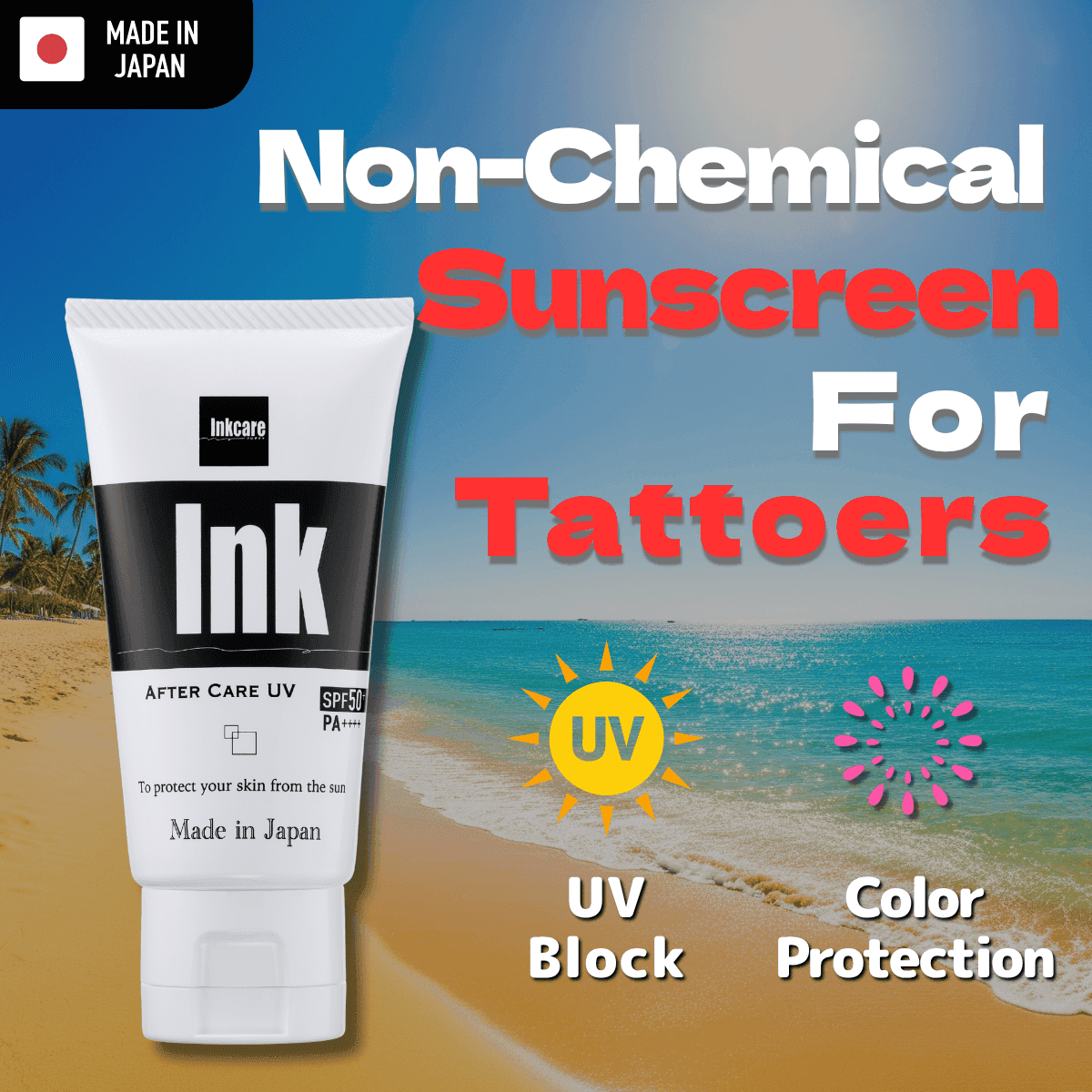
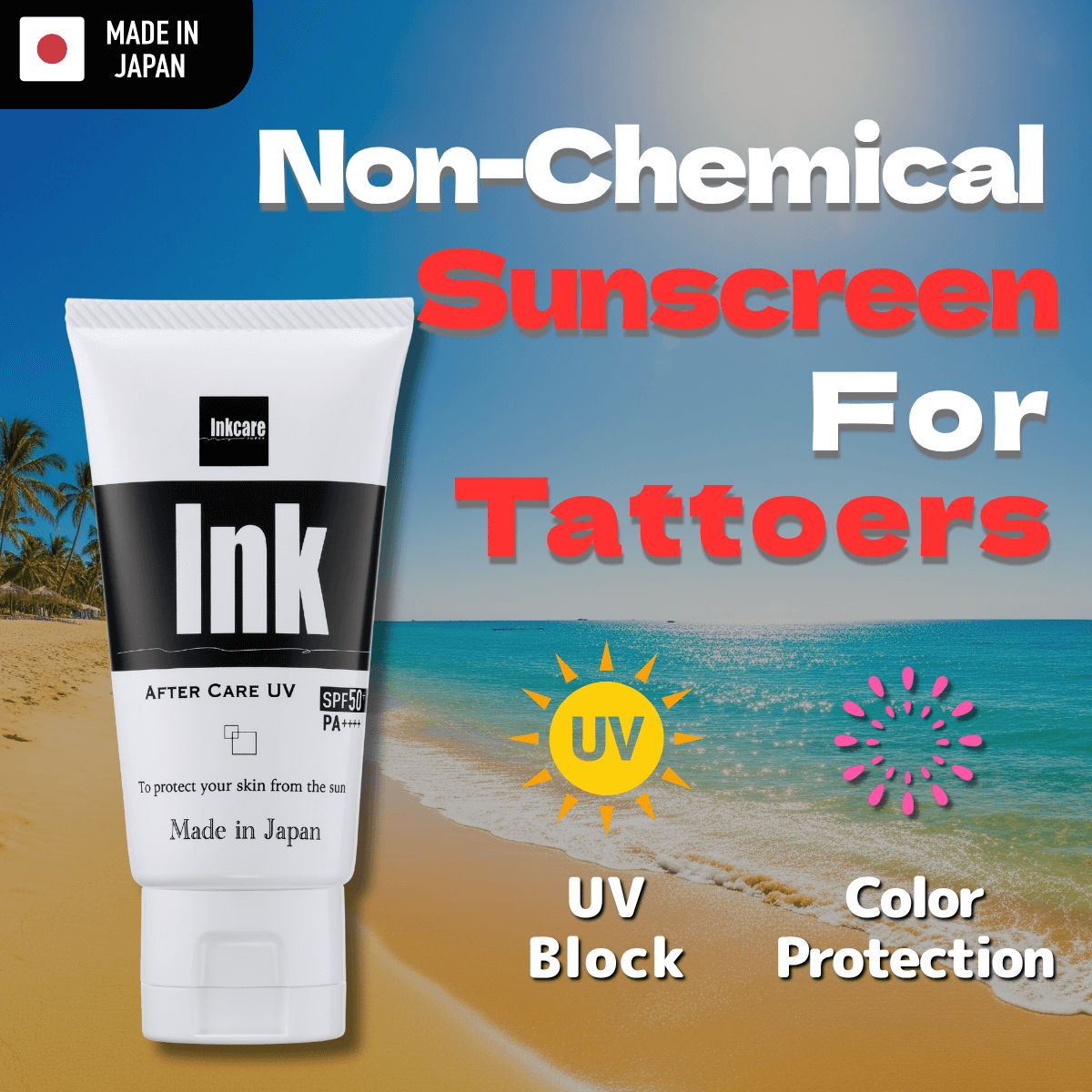
Fading is another route to disappointment. The American Academy of Dermatology (AAD) says UV light can fade some tattoo inks and recommends a broad-spectrum, water-resistant sunscreen of SPF 30 or more on your tattoo when you're in the sun. (Source: AAD, Caring for tattooed skin) While it heals, follow your artist's instructions; our tattoo aftercare guide has more.
* Some links include affiliate advertisements (PR).
Options If You Regret a Tattoo: Cover-Up vs Laser Removal
| Option | Best for | Keep in mind |
|---|---|---|
| Cover it for the day | Onsen trips, work | Some venues still say no |
| Cover-up tattoo | Turning it into a new design | Dark ink is hard to hide |
| Laser removal | Erasing or lightening it | Many sessions over months |
Cover-up tattoos
A cover-up tattoos a new design over the old one. Artists interviewed by the San Francisco news site Mission Local said they are often asked for cover-ups because laser removal is painful and expensive, and that the trick is "to mask rather than block out the old art." (Source: Mission Local, Sep 2014)
New pigment goes into the same layer of skin as the old, so covering black or other dark colors with lighter ones is virtually impossible. One approach is to add more black and work the old piece into a bigger, more elaborate design; experienced artists can also layer lighter colors over darker ones to lighten a pattern slightly. (Source: same) How much can be hidden depends on what's already there, so talk to an artist with cover-ups in their portfolio.
Laser tattoo removal
A laser shatters the ink into tiny particles that the body then clears. It can't safely break down every layer in one session, so you'll need several. (Source: AAD, Tattoo removal: Lasers outshine other methods (updated Nov 2023))
| Item | Typical |
|---|---|
| Sessions | 5–10, sometimes up to 20 |
| Spacing | Every 6–8 weeks |
| Session length | 5–20 minutes |
| Pain | Uncomfortable; numbing available |
| Hardest to remove | Bright, multicolored work |
The session, spacing and length figures come from UCSF Health, which also says it may not be possible to remove all the ink. (Source: UCSF Health, Laser Tattoo Removal) The AAD adds that a dermatologist can numb the area with a cream or a shot, that light or dark spots after treatment tend to fade within 6 to 12 months, and that results depend almost entirely on the person doing the removal. It recommends a board-certified dermatologist. (Source: AAD) The FDA notes that some removal procedures can leave permanent scarring and may not remove the tattoo completely. (Source: FDA)
The total cost is the price per session times the number of sessions, so ask for both when you get a quote. Surgical excision and dermabrasion are likely to cost more than laser. (Source: ASPS) In Japan, look for a dermatologist (hifuka) or a plastic surgeon (keisei geka).
Skip tattoo removal creams
The AAD points out that, according to the FDA, there's no evidence any removal cream can remove a tattoo, and many contain strong acids that can cause a rash, burns or a permanent scar. (Source: AAD)
FAQ
What percentage of people regret their tattoos?
In US surveys, 22–24% of people with tattoos say they have regretted one (Pew 2023, The Harris Poll 2015, YouGov 2015). A 2015 YouGov survey found 14% in Britain. We found no large survey for Japan.
Are small tattoos less likely to be regretted?
We found no data on regret by size. Small tattoos are easier to hide with a sticker, some ryokan accept one or two small tattoos, and smaller, simpler pieces tend to need fewer removal sessions. That makes small a sensible way to start.
Can I go to an onsen in Japan with a tattoo?
It depends on the place. In a 2015 survey, about 56% of hotels and ryokan that responded refused bathers with tattoos. Most sento let you in, and Tattoo Japan lists hundreds of tattoo-friendly onsen. Check each venue's rules before you go.
Can a tattoo be completely removed?
Not always. UCSF Health says it may not be possible to remove all the ink. Laser removal usually takes 5–10 sessions spaced 6–8 weeks apart, sometimes up to 20, and bright, multicolored tattoos are the hardest. Talk to a board-certified dermatologist about the number of sessions and the cost.
Is a cover-up better than removal?
It depends on what you want. A cover-up is a good fit if you'd like a new design and the old one isn't too dark. If you want clear skin, or the old tattoo is too dark to cover, laser removal is the route to discuss with a dermatologist.
The Bottom Line
Most people with tattoos don't regret them, but about one in four in US surveys have at some point. Getting it young, changing as a person, a partner's name and poor work are the main reasons. In Japan, also think about onsen, pools, gyms and whether you'll need to hide it at work.
Take your time with the design, choose a spot that works both in clothes and at the onsen, and pick your artist by their portfolio and consultation. Those three steps address most of the top reasons people give for regret.
This article is based on publicly available information as of October 2026.