



How to Choose a Cool Tattoo Design
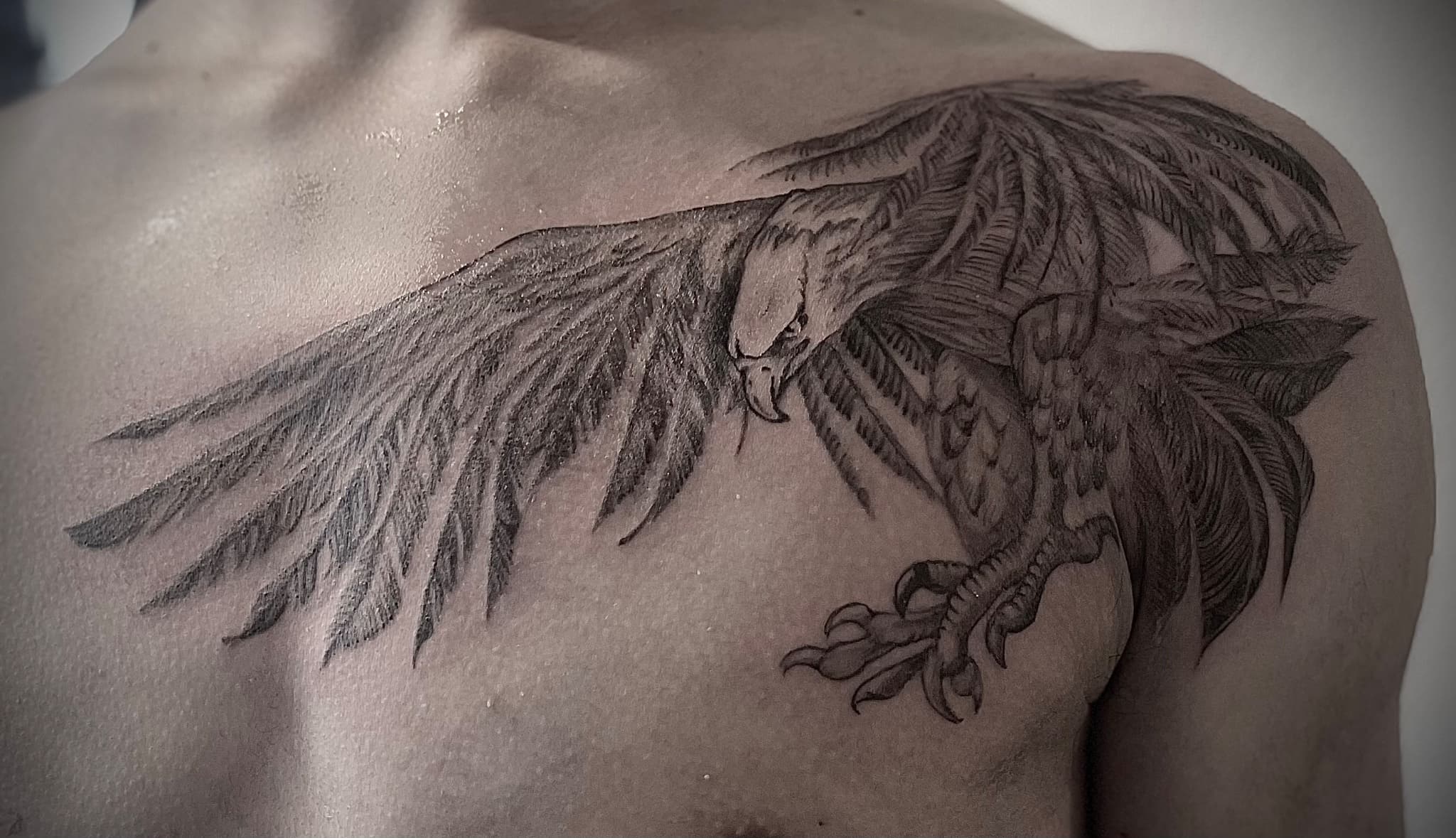
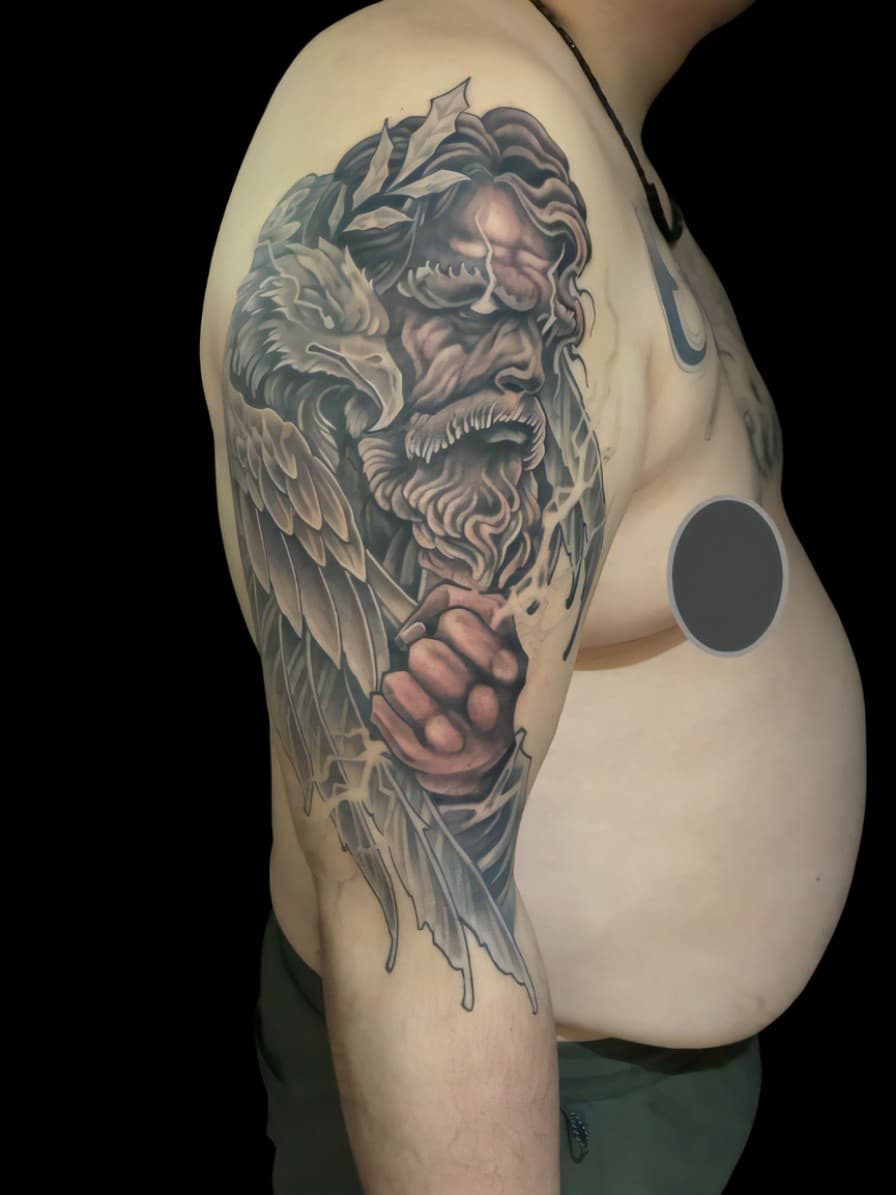
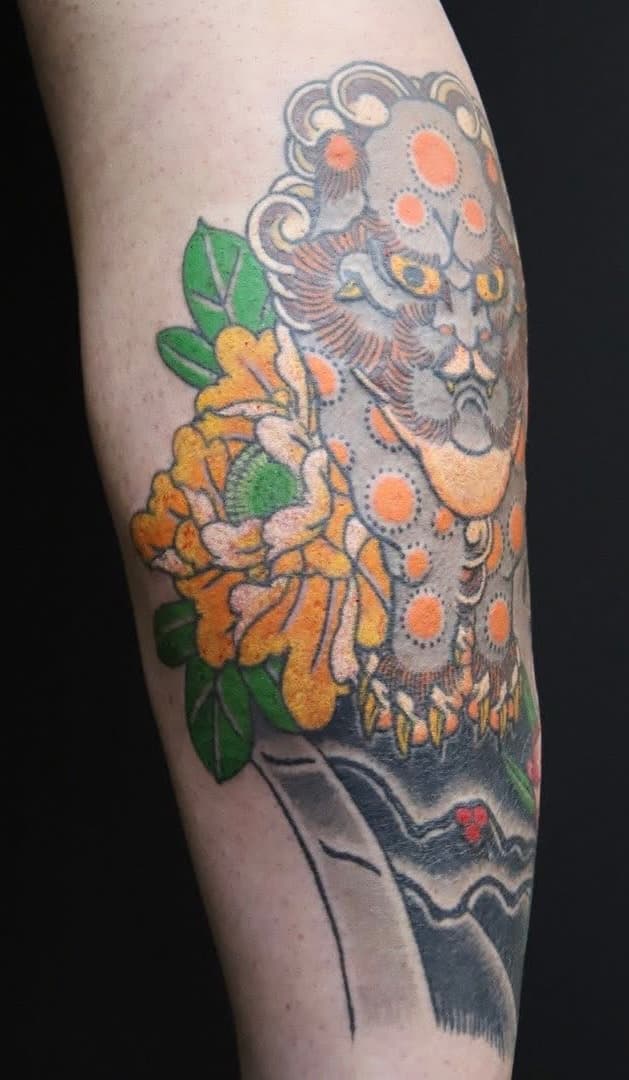
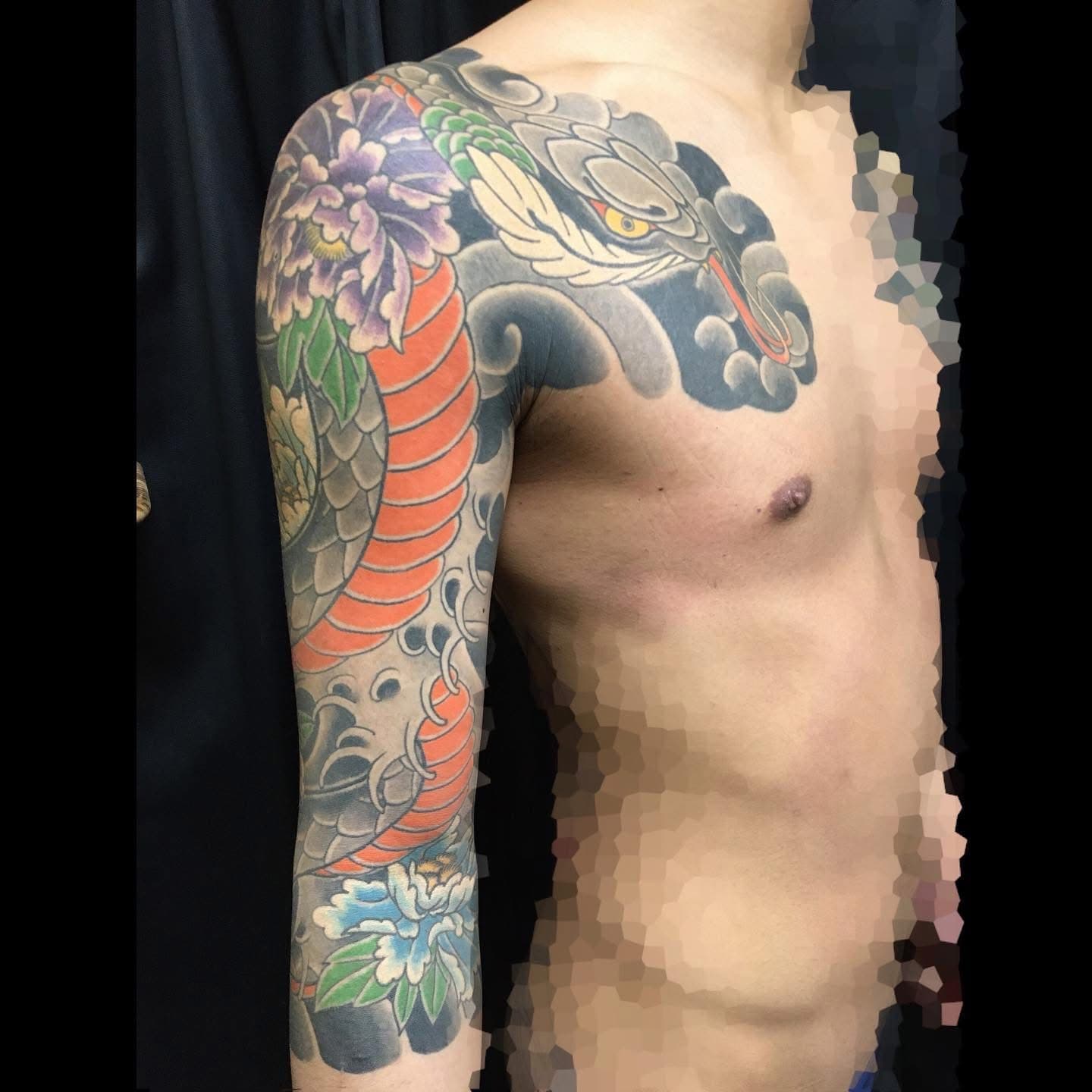
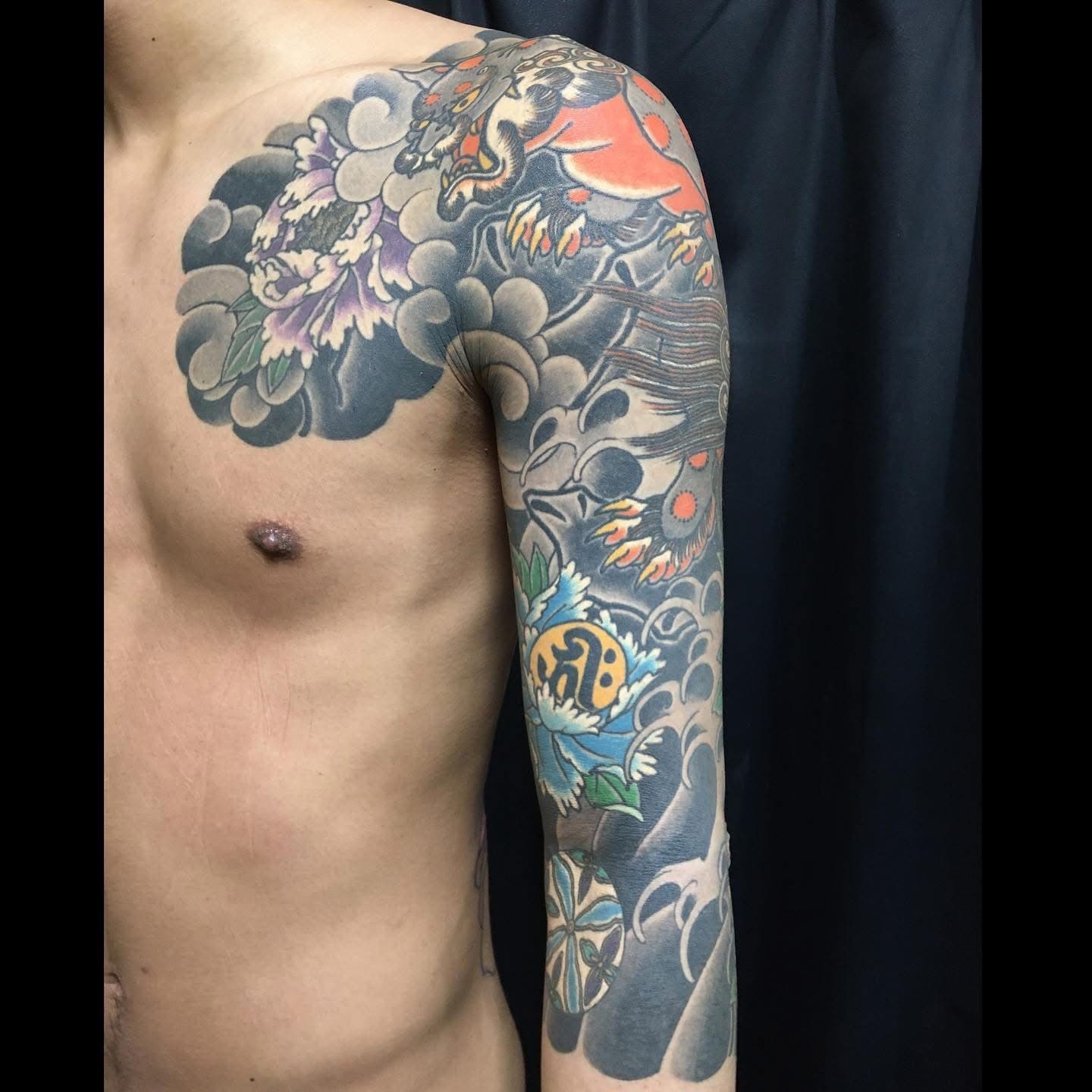
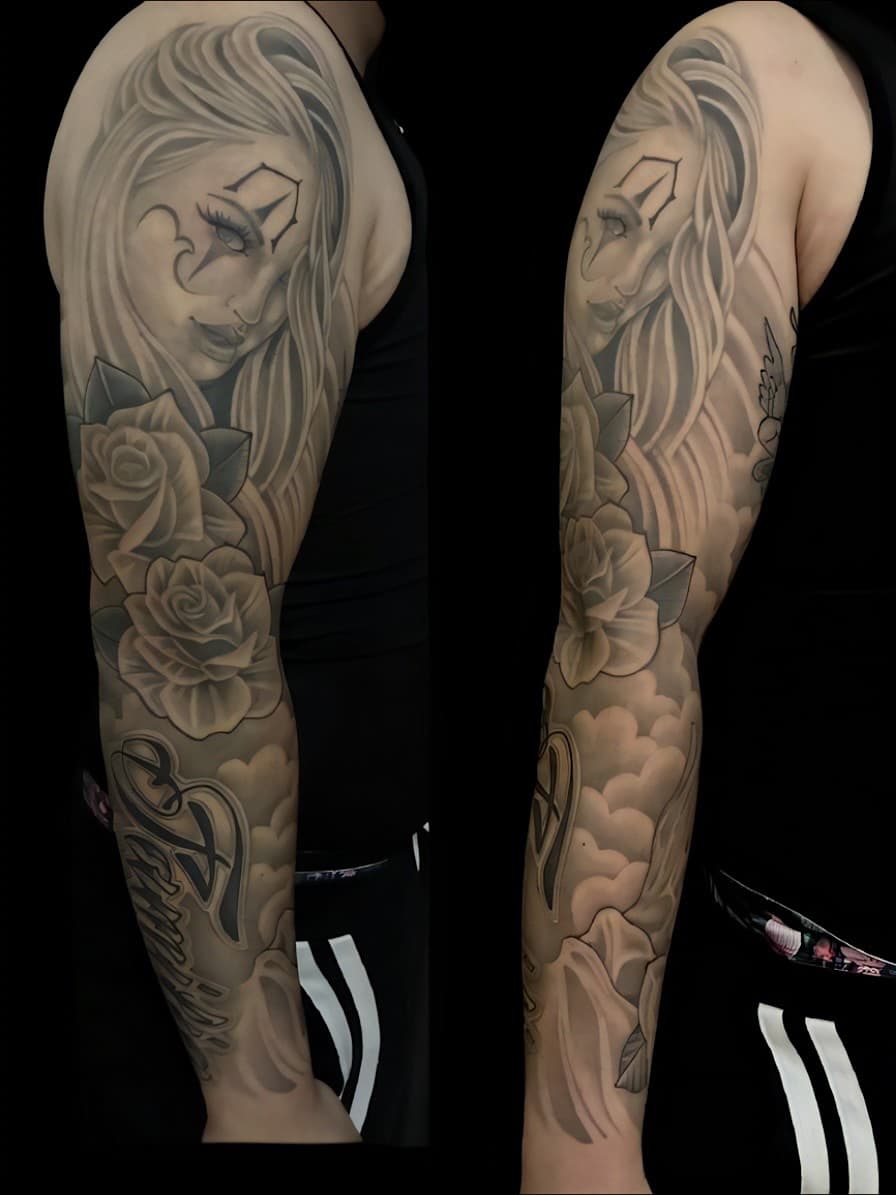
Nobody can define a cool tattoo for you. The pieces on this page are the ones their posters tagged "cool."
Three things shape the impression a tattoo gives: the weight of the line, the use of color and the subject. Knowing where the main styles and motifs come from makes it easier to tell an artist what you like.
Choosing by style
Japanese traditional work sets dragons, koi and other motifs in large compositions. In the early nineteenth century the print artist Utagawa Kuniyoshi drew the outlaw heroes of the Chinese novel Water Margin with tattooed bodies, and the series was a huge hit. The Museum of Fine Arts, Boston notes that some of the world's most popular tattoo motifs trace back to early nineteenth-century Edo, today's Tokyo. (Sources: Yamamoto Yoshimi, Nippon.com (January 2017); Museum of Fine Arts, Boston, Tattoos in Japanese Prints)
Black and grey uses finer lines and subtle shading. It grew out of tattooing in American prisons, where inmates worked with homemade machines and a single needle, and it spread from Good Time Charlie's Tattooland, a shop that opened in East Los Angeles in the mid-1970s. (Source: NPR (April 2018))
Tribal and blackwork pieces are built from solid black patterns. Polynesia is one of the regions where tattooing developed furthest, and the English word tattoo comes from tatau, the name of the practice in Tahiti, which Captain Cook introduced to Europe. (Source: Kotobank, "Irezumi," Heibonsha World Encyclopedia, in Japanese)
Our guide to types of tattoos compares the styles side by side.
Choosing by motif
The dragon was a favorite of Edo-period tobi, the construction workers who also fought fires. Dragons were believed to bring rain, so the design served as a protective charm. (Source: Nippon.com) See dragon tattoo designs.
The oni is a fearsome ogre, yet its face has also been placed on Japanese roof tiles to ward off evil. (Source: Kotobank, "Onigawara," Encyclopedia Nipponica and Nihon Kokugo Daijiten, in Japanese)
For other motifs, the page for each one explains its background.
Before You Get a Cool Tattoo
Size changes the time and the pain
A large, detailed design takes longer. In a Polish survey of 1,092 people, pain was stronger the longer the session lasted. (Source: Witkoś and Hartman-Petrycka (2020))
A single small piece keeps the session short.
In Japan, baths and pools may turn you away
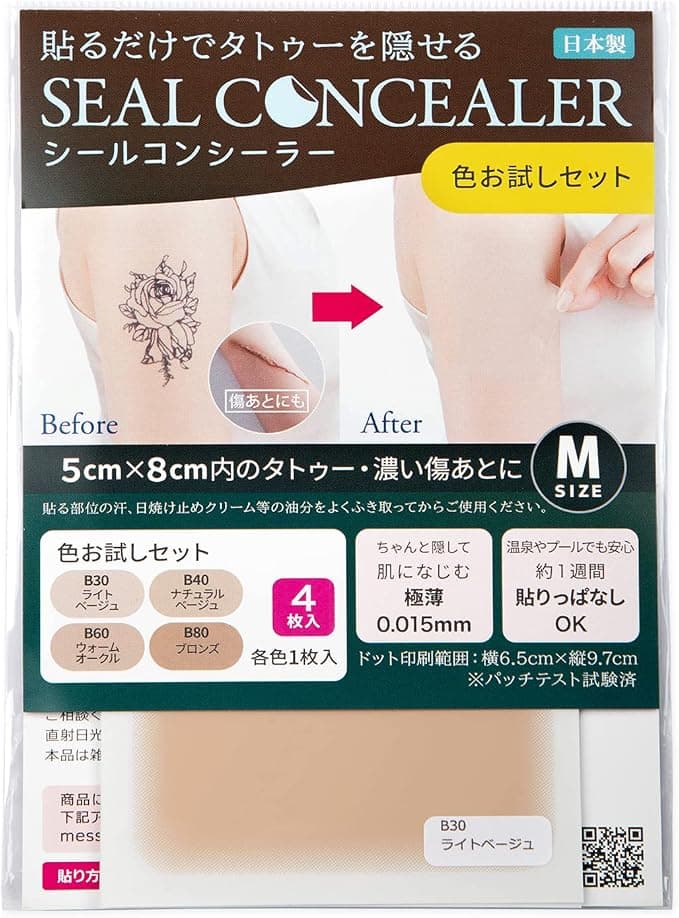
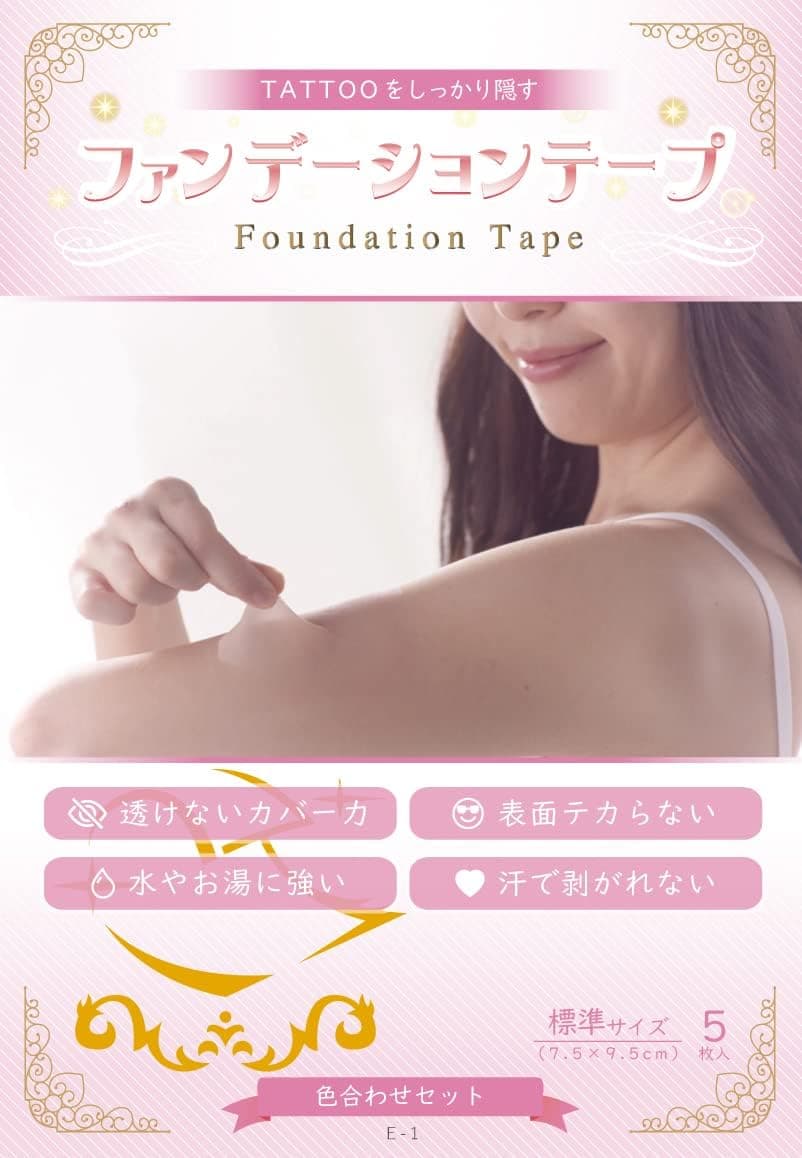
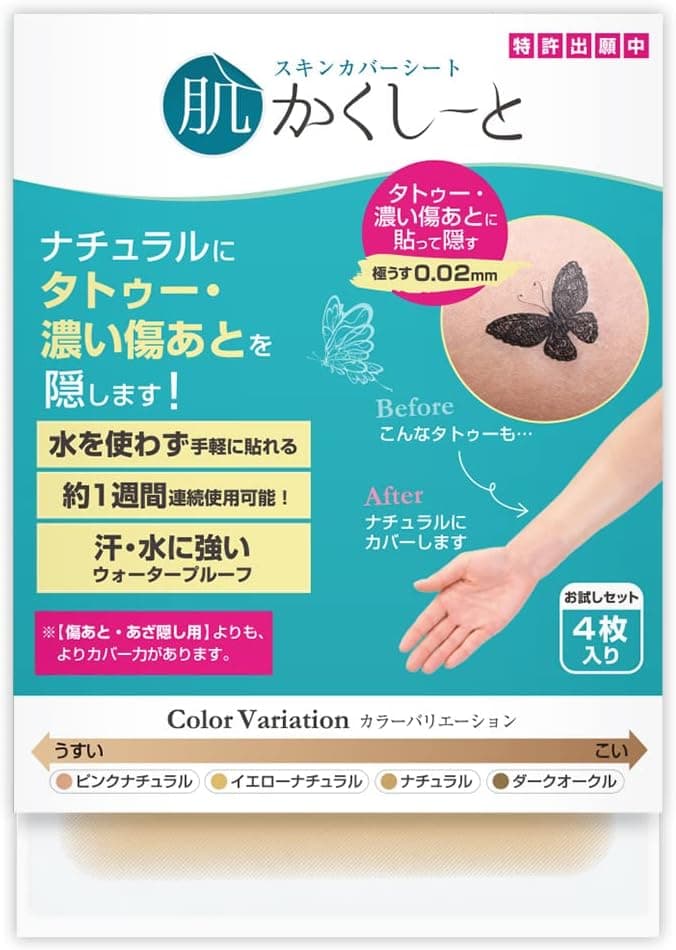
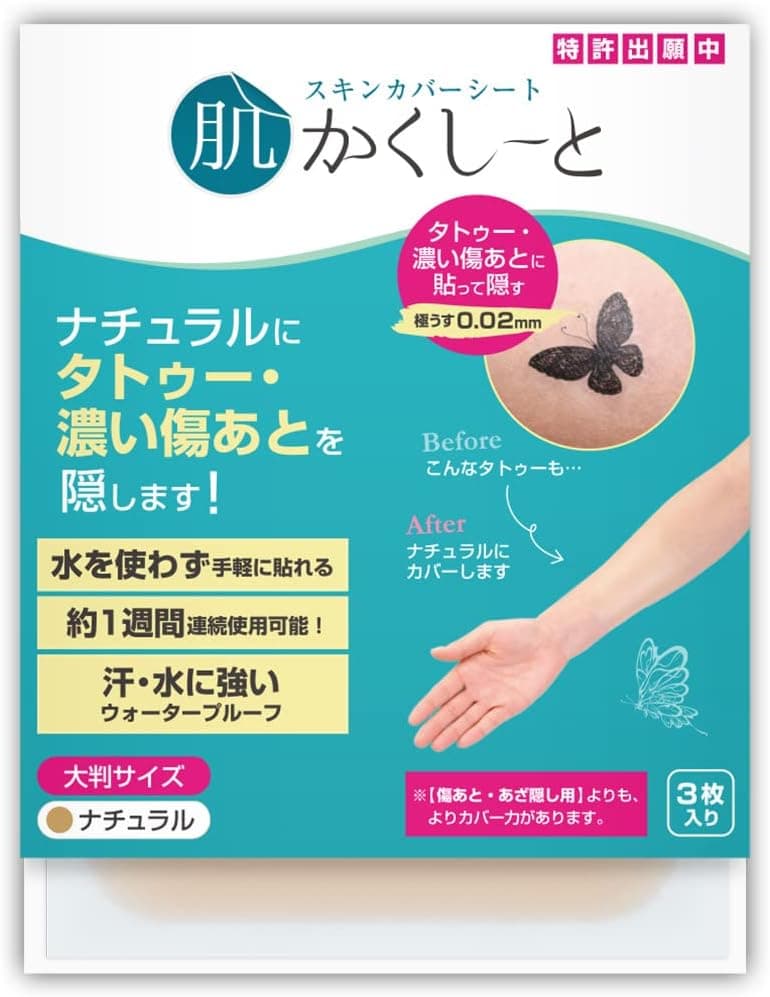
In a 2015 Japan Tourism Agency survey, about 56% of the 581 hotels and ryokan that answered refused bathing to guests with tattoos. About 31% did not, and about 13% allowed it on conditions such as covering the tattoo with a sticker. (Source: Travel Voice (October 2015, in Japanese))
Rules differ from place to place. If you live in or visit Japan, check the places you use before you decide on size and placement.
Cool Tattoo FAQ
Does a cool tattoo need a meaning?
No. There is no rulebook for tattoo meanings, and choosing on looks alone is fine. If you would like to know the background first, the page for each motif explains it.
Are cool designs just for men?
No. The work here was tagged by the people who posted it.